The Basement Protector Most Homeowners Forget About: What Is a Sump Pump and Why Does It Matter?

Chelsey Smith • June 2, 2026

When people think about protecting their home from water damage, they often think of roofing, gutters, or even foundation repairs. But one of the hardest-working systems in your home is hidden out of sight—and most people don’t think about it until there’s a problem.

That system is your sump pump. If you live in Hamilton or surrounding areas where spring melt, heavy rainfall, and groundwater can become an issue, understanding how a sump pump works can save you from expensive repairs and major headaches. Companies like Dan Parr’s Waterproofing Sewer & Excavating regularly help homeowners protect their basements and foundations with waterproofing and sump pump solutions.
What Is a Sump Pump?

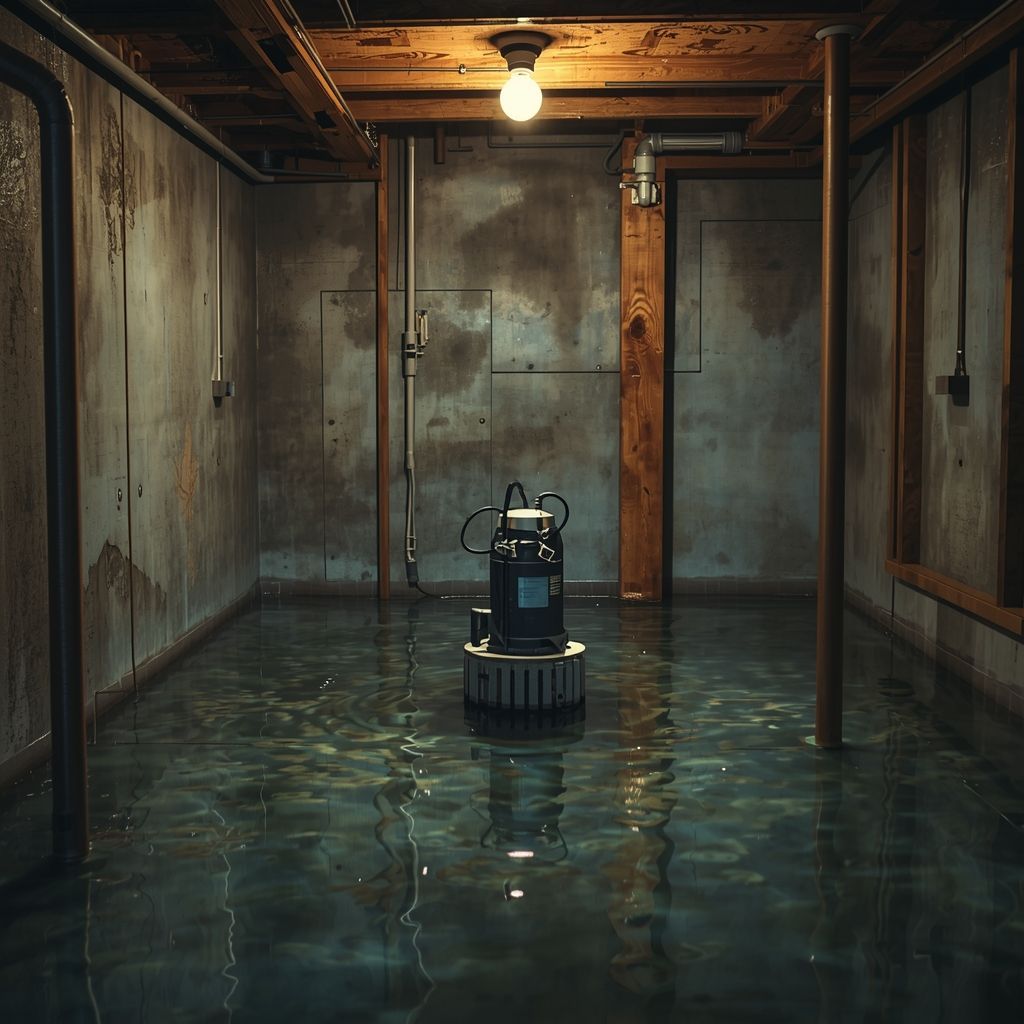
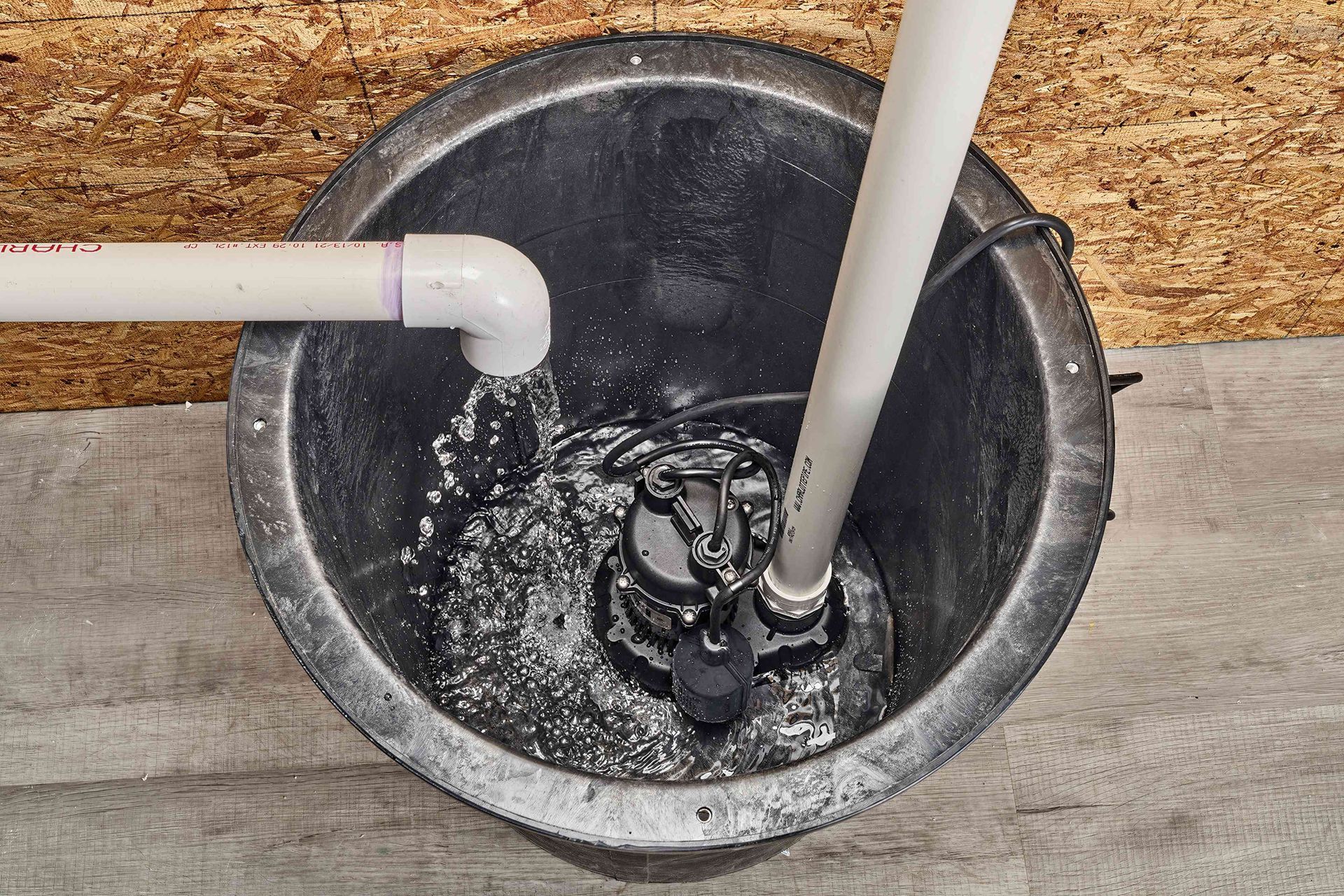
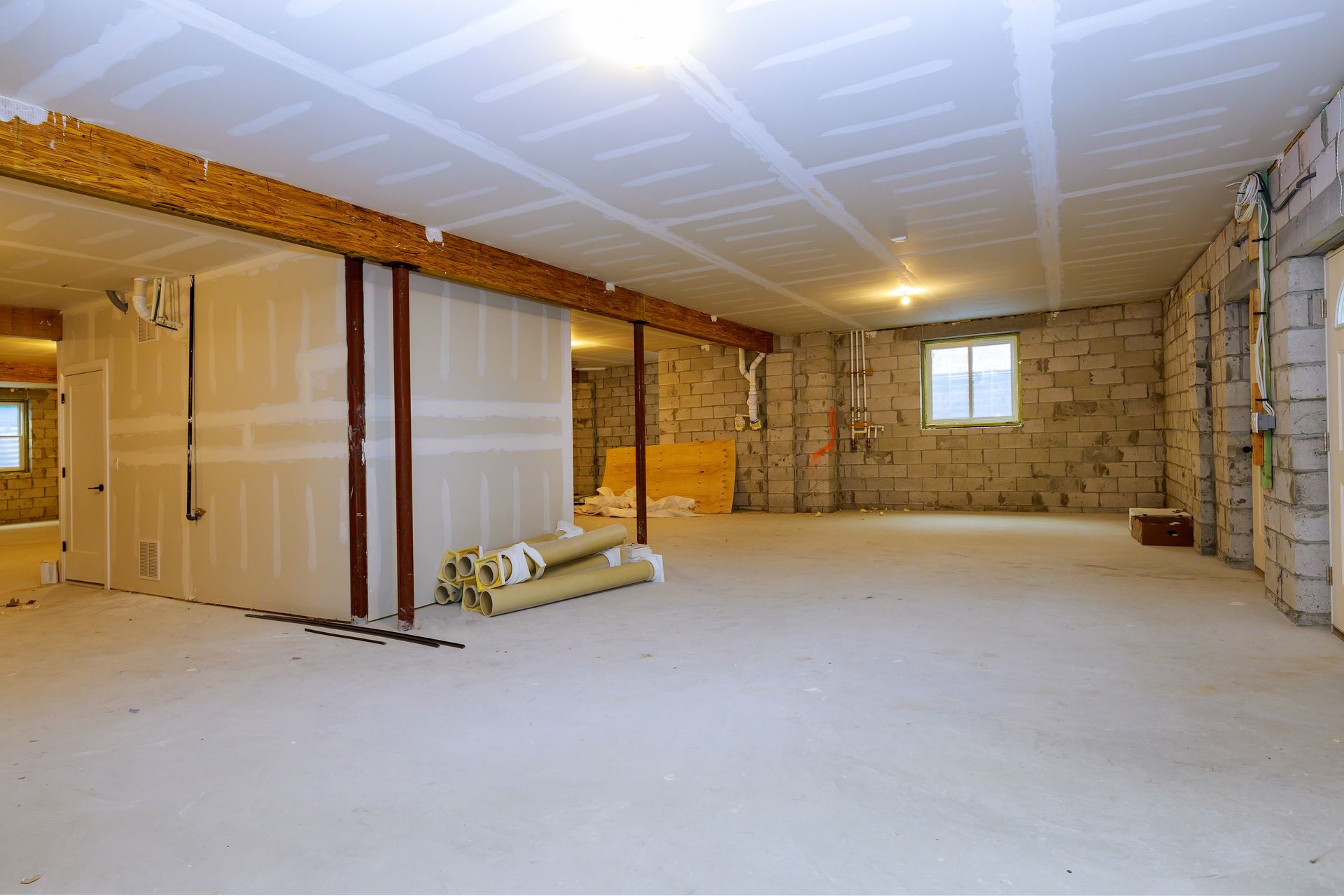
A sump pump is a device designed to remove water that collects around your home’s foundation and direct it safely away from your property. Typically installed in a sump basin (a pit located in the lowest area of your basement or crawl space), the pump activates automatically when water reaches a certain level.  Its job is simple: stop water before it becomes flooding.

Modern waterproofing systems commonly include sump pumps because they offer ongoing protection against groundwater buildup and basement moisture problems. 

How Does a Sump Pump Work?

Here’s the process in simple terms:

1. Water Collects Around Your Foundation

Heavy rain, snowmelt, or natural groundwater can build up around your home.

2. Water Flows into the Sump Basin

Drainage systems direct that water into a collection pit.

3. The Pump Activates Automatically

Once water reaches a preset level, the sump pump turns on.

4. Water Is Pumped Away

The water is discharged safely away from your home’s foundation to reduce flood risk. (Wikipedia)

This process helps prevent:

  • Basement flooding
  • Foundation damage
  • Mold growth
  • Structural deterioration
  • Long-term moisture issues 


Why Hamilton Homeowners Should Pay Attention

Southern Ontario weather creates unique conditions for water accumulation. Spring thaw, sudden storms, and changing groundwater levels can put pressure on your foundation. A functioning sump pump acts as your home’s first line of defence during these conditions. Seasonal inspections and maintenance are especially important after winter and before heavy rain seasons.  Ignoring sump pump maintenance could lead to thousands of dollars in water damage repairs.


Signs Your Sump Pump May Need Attention

Your sump pump shouldn’t be noisy, unreliable, or running constantly.

Watch for these warning signs:

Strange Noises

Grinding or rattling may indicate internal wear.

Constant Cycling

Frequent operation may suggest drainage problems or improper sizing.

Visible Rust

Corrosion can reduce performance over time.

Standing Water in the Basement

One of the clearest signs your system isn’t keeping up.

Pump Age

Many pumps require inspection or replacement after years of continuous use.

Professional technicians can inspect, repair, or replace systems before they fail. (Dan Parr)


Sump Pumps and Septic Systems: What Homeowners Should Know

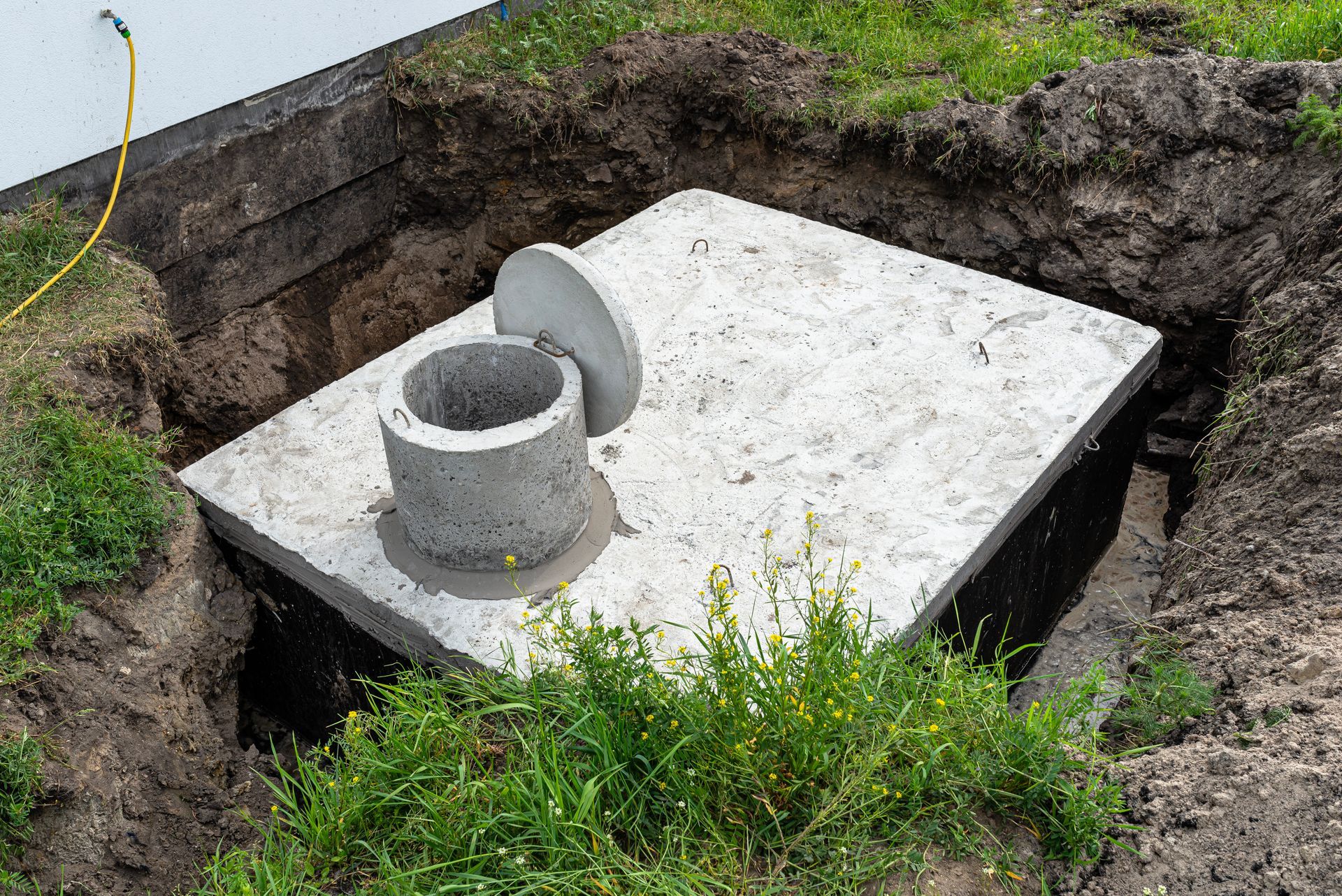
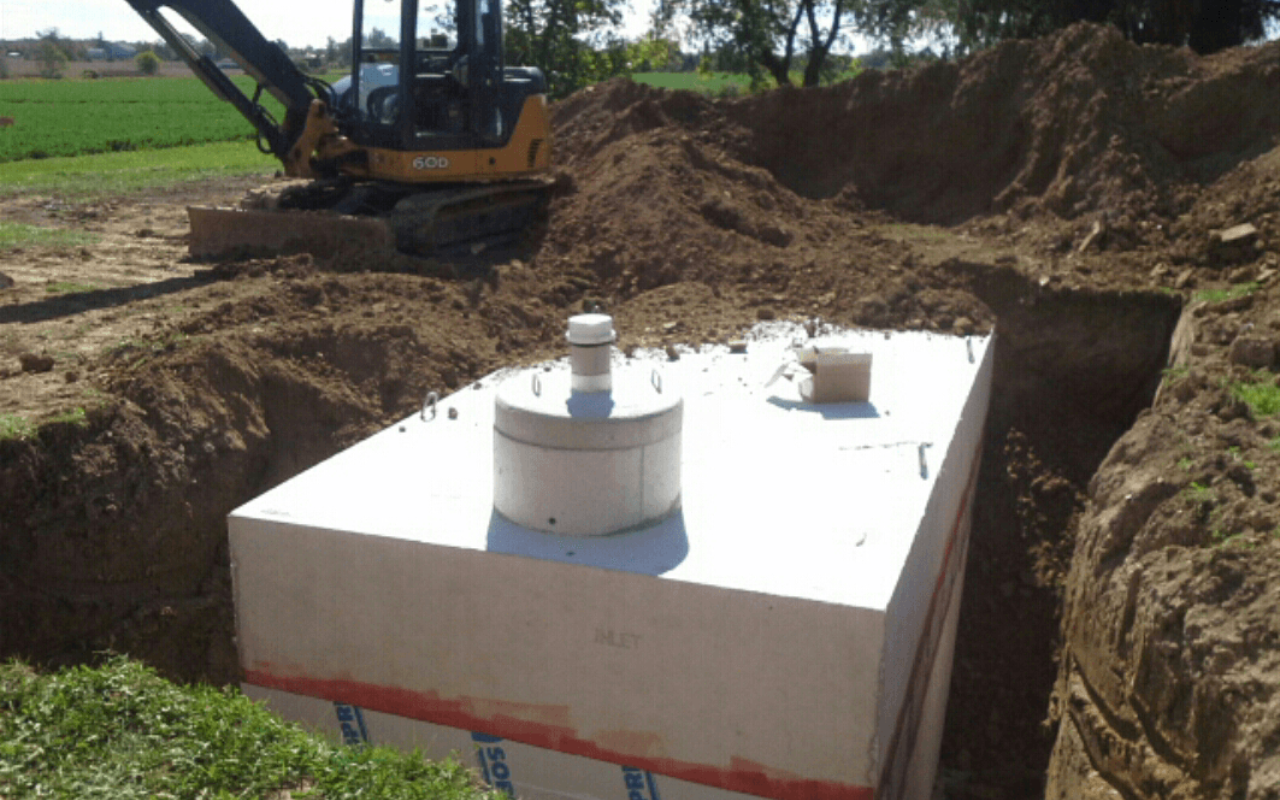
Many homeowners searching for septic tank service near me are surprised to learn that sump pumps and septic systems often become part of the same conversation. Water management around your property matters. If your property includes a septic system, maintaining all drainage infrastructure helps reduce unnecessary stress on surrounding soil conditions.

Routine maintenance services such as:

  • septic tank pumping
  • septic tank repair
  • evaluating drainage performance
  • planning for septic tank replacement

can help support long-term property health and prevent avoidable issues. Regular septic maintenance schedules are recommended based on household size, water usage, and system conditions. 

Even though sump pumps and septic systems perform different jobs, both are critical to protecting your property from water-related damage.


Can You Install or Replace a Sump Pump?

While some homeowners attempt DIY installation, proper placement and discharge routing are important.

Professional installation ensures:

  • Correct pump sizing
  • Proper drainage direction
  • Reliable automatic operation
  • Integration with waterproofing systems

Dan Parr’s team installs sump pumps ranging from standard residential systems to larger-volume applications and also handles replacement services when existing pumps reach end of life. 


Don’t Wait Until Your Basement Floods

A sump pump is one of those systems that homeowners rarely think about—until they desperately wish they had.

If you’ve noticed moisture, standing water, musty smells, or your current system hasn’t been inspected in years, now is the time to act.

Whether you need sump pump service, waterproofing support, septic tank pumping, septic tank repair, septic tank replacement, or you’ve been searching for reliable septic tank service near me, taking preventative action today can help protect your home for years to come.
By Chelsey Smith • September 29, 2026
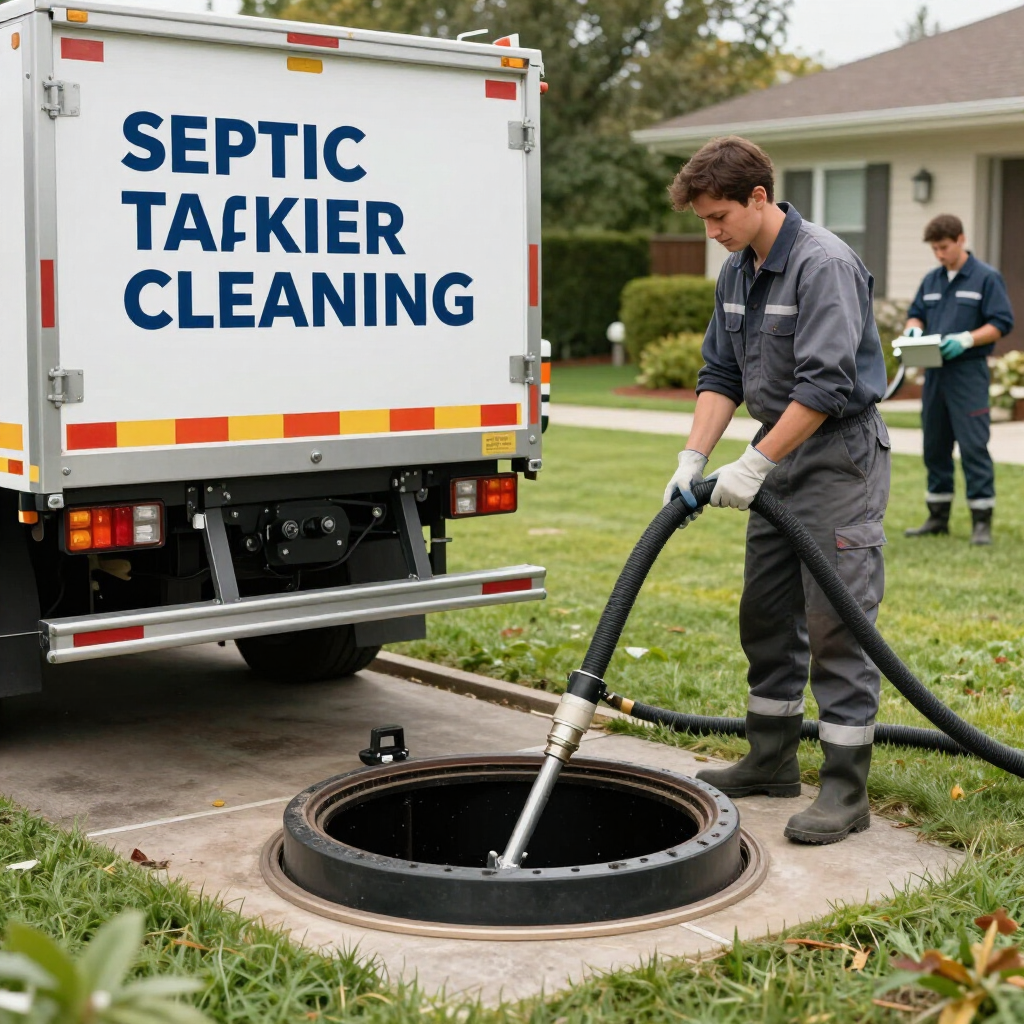
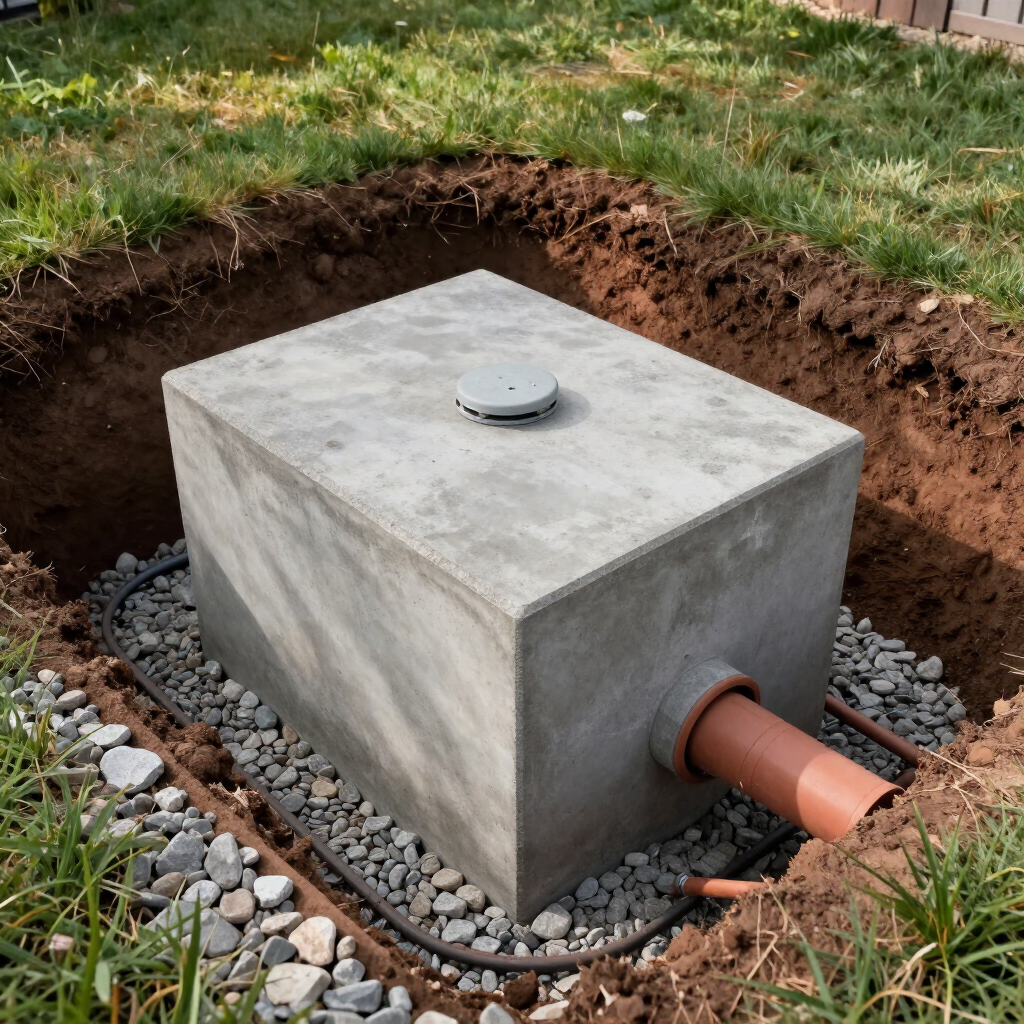
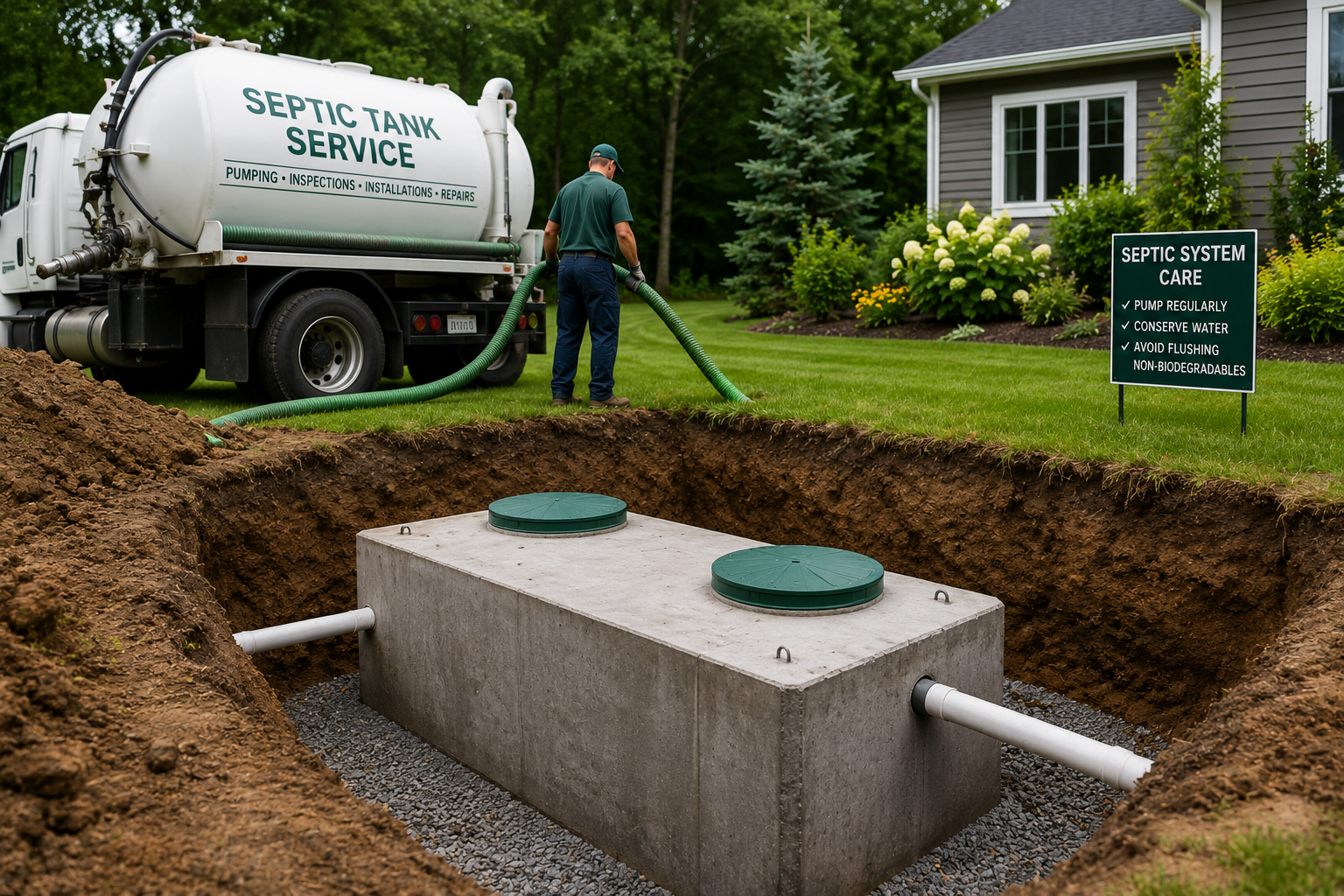
Septic tank pumping removes accumulated liquid and solids from the tank so the system can continue separating wastewater as designed. At Dan Parr’s Sewer, we begin by identifying the system, confirming safe access and asking about its maintenance history and any warning signs. A service visit is also an opportunity to observe accessible components and discuss a pumping schedule based on household use, tank size and the condition found—not simply a date copied from another property. A septic system treats wastewater on the property. The tank holds waste long enough for solids to settle and lighter material to rise, while liquid moves onward to the treatment or dispersal area. Pumping removes material that does not leave with the effluent. If solids build too high, they can reduce working capacity and contribute to problems downstream.
By Chelsey Smith • August 12, 2026
A septic system works quietly in the background, so it is easy to forget about it until a drain slows down, an odour appears or wastewater backs up. Regular maintenance is far less disruptive than an emergency. For most households, septic tank pumping in Hamilton should be scheduled every three to five years, but the right interval depends on the tank, the household and how the system is used. Understanding what affects that timeline helps homeowners protect their property, avoid unnecessary repairs and keep the entire system working efficiently.
By Chelsey Smith • July 22, 2026
For many rural homeowners, a septic system is an essential part of keeping their household running smoothly. Unlike homes connected to municipal sewer systems, properties with septic tanks rely on regular maintenance to prevent backups, unpleasant odours, and costly repairs. Routine septic tank pumping Hamilton services help remove built-up solids, protect your septic system, and extend the lifespan of your tank and drainage system. With proper care and professional servicing, your septic system can continue operating efficiently for many years. At Dan Parr’s Waterproofing Sewer & Excavating, homeowners throughout Hamilton and surrounding areas can rely on experienced septic professionals for septic pumping, inspections, repairs, and maintenance services.
By Chelsey Smith • April 3, 2026
As winter fades and spring approaches in Southern Ontario, homeowners start thinking about melting snow, heavy rainfall, and rising groundwater levels. While the warmer weather is welcome, it can also bring increased risk of basement flooding. One of the most important tools for protecting your home during this time is your sump pump. Making sure it’s ready for spring can save you thousands of dollars in water damage repairs.  If you’re unsure whether your sump pump is in top condition, the team at Dan Parr Waterproofing in Hamilton can help. With years of experience protecting local homes from water damage, Dan Parr Waterproofing provides professional inspections, maintenance, and repairs. You can reach them at 905-719-8607 or visit danparr.ca to learn more about their waterproofing services.
By Chelsey Smith • February 26, 2026
As winter fades and temperatures rise, spring thaw brings melting snow, saturated soil, and one big question for homeowners: Is your sump pump ready? Your sump pump is your basement’s first line of defense against flooding—especially during the heavy rains and snowmelt that come with spring. Taking time now to inspect and maintain your system can prevent costly water damage later. Here’s a complete guide to checking your sump pump system after the spring thaw.
By Chelsey Smith • January 20, 2026
Your septic system is an essential part of your home, quietly managing wastewater day in and day out. Out of sight and out of mind is how most homeowners prefer it. But what happens when a critical component, the drain field, starts to fail? Ignoring the early warning signs can lead to costly repairs, property damage, and significant environmental concerns. Understanding the health of your drain field is key to maintaining a functional septic system. This guide will walk you through the five most common signs of drain field failure. We will explain why these symptoms occur and emphasize the importance of taking swift action.
By Chelsey Smith • January 3, 2026
We insulate pipes, check our furnaces, and seal drafty windows. But there's one crucial piece of equipment often overlooked until it's too late: the sump pump. This unsung hero in your basement works tirelessly to prevent flooding. Preparing it for winter is essential to ensure it functions correctly when you need it most, even when temperatures plummet.  A frozen or malfunctioning sump pump can lead to a flooded basement, causing thousands of dollars in damage and significant stress. Taking a few proactive steps now can save you from a major headache later.
A sump pump system in a black basin with water, PVC pipes, and a pump.
By Sara DeSantis • November 17, 2025
As the seasons change and colder weather approaches, homeowners begin preparing their properties for winter. You might check the furnace, insulate pipes, and seal drafty windows. However, one often overlooked component is the sump pump. This crucial device protects your basement from flooding, but it can fail if not properly prepared for freezing temperatures. A frozen sump pump can lead to significant water damage and expensive repairs. Taking a few preventative steps now can save you from a major headache later. This guide will walk you through the essential measures to winterize your sump pump, ensuring it remains operational when you need it most. We will cover inspection, hose management, insulation, and testing to keep your home safe and dry all winter long. 
White house covered in snow with black shutters and brick chimney. Snowy trees and a smaller house in the background.
By Sara DeSantis • October 29, 2025
As the days get shorter and a chill settles in the air, homeowners across the region begin the familiar ritual of winterizing their properties. You insulate pipes, check the furnace, and seal drafty windows. But there's one critical part of your home that often gets overlooked until it's too late: your septic system. A frozen or failing septic system in the middle of winter can be a messy, expensive, and stressful ordeal. Taking a few preventative steps now can save you from a major headache later.
Workers with a large machine are cleaning a sewer drain in a street.
By Sara DeSantis • September 22, 2025
Your septic system is one of the most important components of your home, yet it's often the most neglected. Since it works silently underground, it’s easy to adopt an "out of sight, out of mind" mentality. However, ignoring your septic tank can lead to disastrous and costly consequences, including foul odors, sewage backups, and complete system failure. Understanding and practicing regular maintenance is key to a healthy, long-lasting septic system. So, how often should you have your septic tank cleaned out? The answer isn't a simple one-size-fits-all. Several factors influence the ideal pumping schedule for your household. This guide will walk you through what you need to know to protect your property and your wallet, with expert insights from professionals like Dan Parr Septic Systems and Pumping.