Is Your Sump Pump Winter Ready?

Chelsey Smith • January 3, 2026

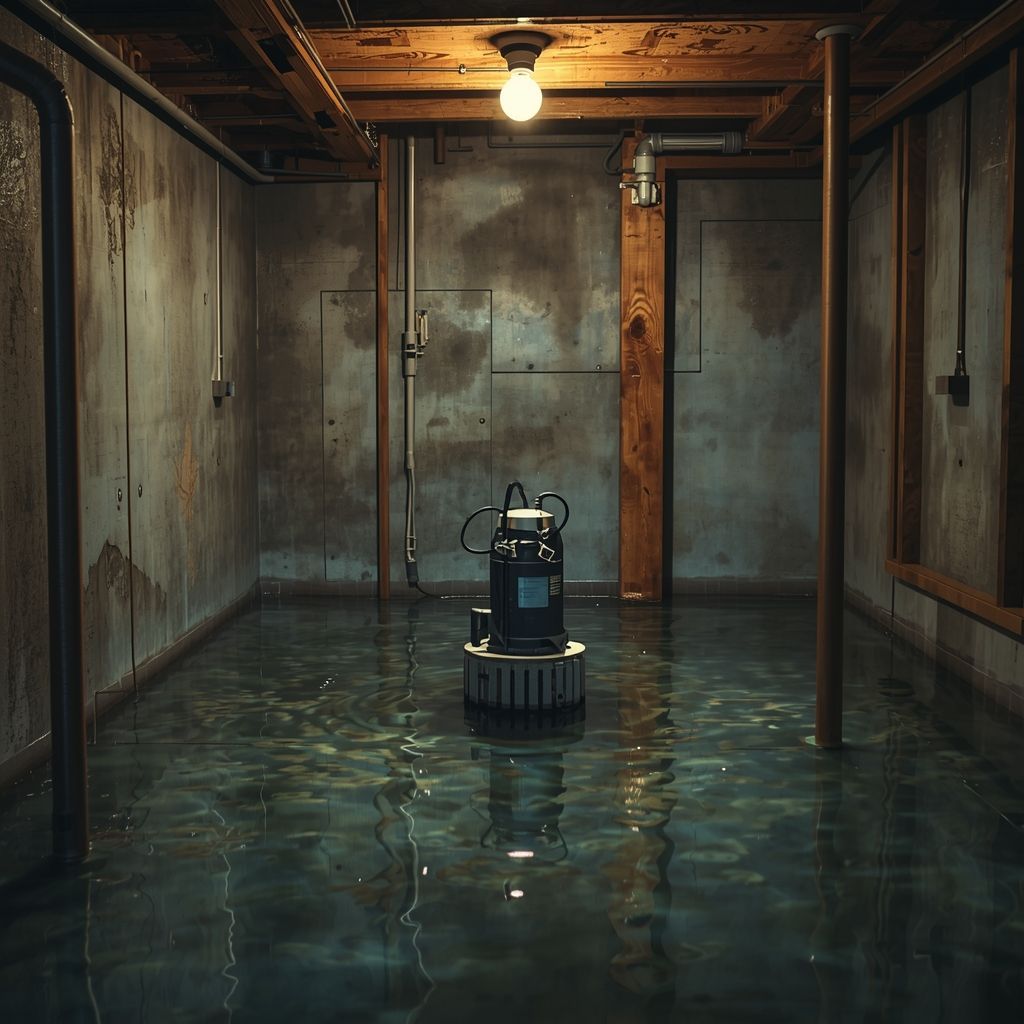
We insulate pipes, check our furnaces, and seal drafty windows. But there's one crucial piece of equipment often overlooked until it's too late: the sump pump. This unsung hero in your basement works tirelessly to prevent flooding. Preparing it for winter is essential to ensure it functions correctly when you need it most, even when temperatures plummet.


A frozen or malfunctioning sump pump can lead to a flooded basement, causing thousands of dollars in damage and significant stress. Taking a few proactive steps now can save you from a major headache later.
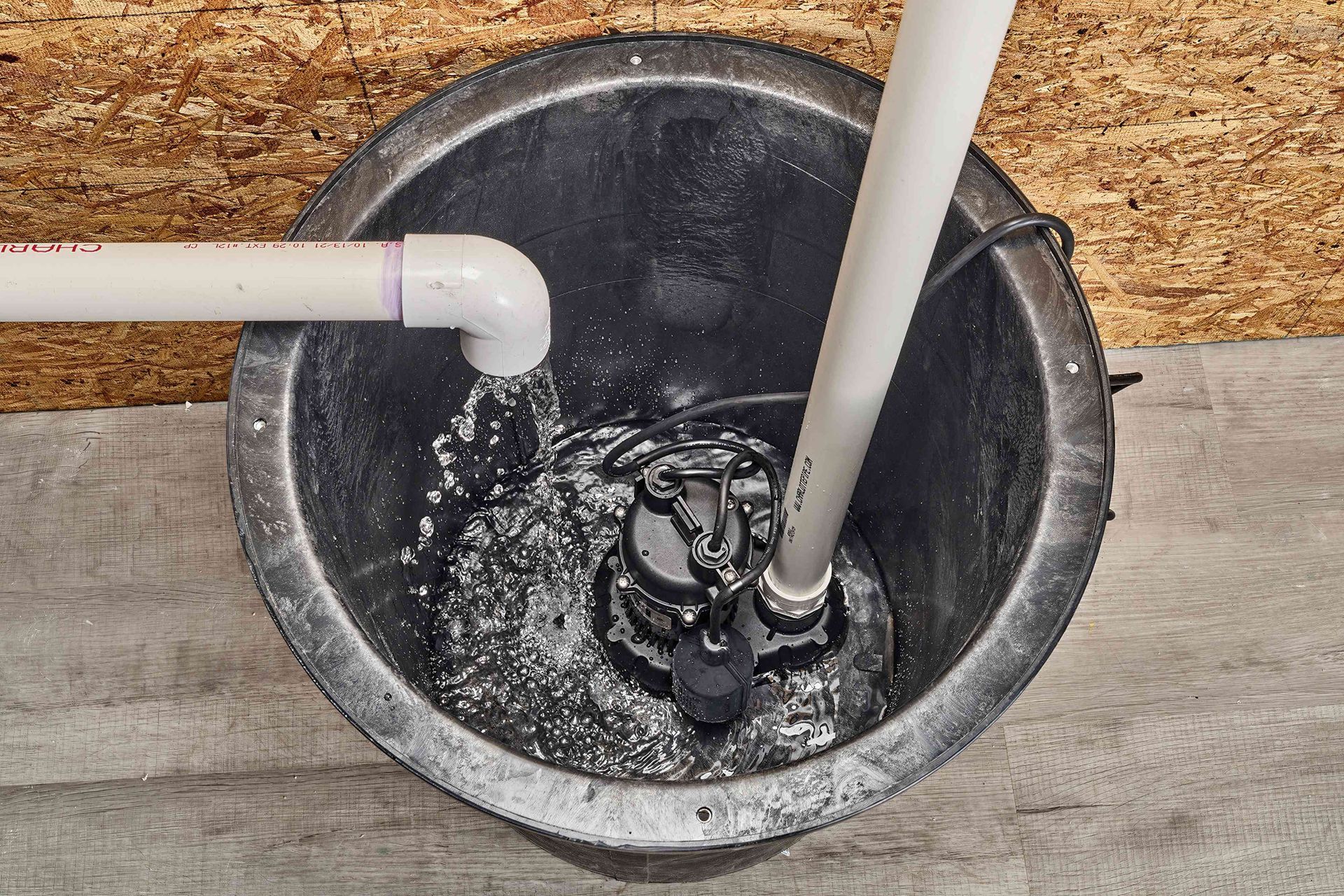
Why Winter Sump Pump Maintenance is Crucial

Your sump pump's job is to move water away from your home's foundation. During winter, this process faces unique challenges. Melting snow and winter rain can still saturate the ground, meaning your pump may need to operate even when it's freezing outside.


The primary danger is a frozen discharge line. This is the pipe that carries water from the pump to the exterior of your home. If water inside this pipe freezes, it creates a blockage.


When the pump tries to activate, it has nowhere to send the water. The pressure can burn out the pump's motor, or worse, the water can back up and flood your basement. A little preventative maintenance goes a long way in avoiding this costly scenario.


Step-by-Step Guide to Winterizing Your Sump Pump

Follow these steps to make sure your sump pump is prepared to handle whatever winter throws its way.


1. Clean the Sump Pit and Pump

Over time, the sump pit can accumulate dirt, gravel, and other debris. This buildup can interfere with the pump's float switch or clog the pump itself, causing it to fail.


Start by unplugging the pump from its power source. You may need to disconnect it from the discharge line to remove it from the pit. Once the pump is out, you can clean any mud or debris from the inlet screen. Then, use a wet-dry vacuum or a bucket to remove any remaining water and debris from the bottom of the pit. A clean pit ensures the float mechanism can move freely and the pump can operate without obstruction.


2. Inspect and Clear the Discharge Lin

The discharge line is the most vulnerable part of your sump pump system in winter. It must be clear and properly graded to prevent freezing.

First, go outside and check where the line exits your home.


Make sure the opening is not blocked by leaves, snow, ice, or animal nests. It's also a good idea to ensure the pipe is angled downwards, away from the foundation. This uses gravity to help drain any residual water after the pump shuts off, reducing the risk of freezing. Consider adding a freeze-resistant extension to the end of the line to carry water further away from the house.


3. Test the Sump Pump's Operation

After cleaning the pit and inspecting the discharge line, it's time to test the pump itself. You don't want to discover it's not working during the first major thaw.


Plug the pump back in. Pour a bucket of water into the sump pit slowly. Watch to see if the float switch rises with the water level and activates the pump. The pump should turn on, expel the water through the discharge line, and then shut off automatically once the water level drops. If the pump doesn't turn on, or if it makes unusual noises, it may be a sign of a mechanical problem that needs professional attention.


4. Check the Backup System

Many homeowners rely on a battery backup sump pump in case of a power outage. A winter storm that knocks out your electricity is often accompanied by melting snow, making a functional backup system critical.


Test your backup pump by unplugging the primary pump and repeating the water test. The backup system should kick in and clear the water from the pit. Also, check the battery itself. Most backup systems have an indicator light to show the battery's charge level. Ensure all connections are clean and secure. Sump pump batteries typically need to be replaced every 3-5 years, so if yours is getting old, consider replacing it before winter begins.


When to Call a Professional

While these DIY maintenance steps are effective, sometimes a problem requires an expert. If you notice any of the following issues, it's best to call a professional for help:

  • The pump doesn't turn on during a test.
  • The pump runs continuously, even when the pit is empty.
  • It makes loud, grinding, or unusual noises.
  • You suspect the discharge line is frozen or improperly installed.


Attempting complex repairs without the proper knowledge can often lead to bigger problems. The experienced technicians at Dan Parr Sewage have the tools and expertise to diagnose and fix any issue, from a simple clog to a complete system failure.


Protect Your Home with Dan Parr Sewage

Preparing your sump pump for winter is a small investment of time that provides significant peace of mind. By keeping your system clean and testing it regularly, you can trust it will protect your home from water damage throughout the cold months.


If you're unsure about any of these steps or run into a problem you can't solve, don't hesitate to reach out. At Dan Parr Sewage, we specialize in sump pump installation, maintenance, and repair. Our team is ready to help you ensure your home is fully protected this winter. Contact us today to schedule an inspection and keep your basement safe and dry.
By Chelsey Smith January 20, 2026
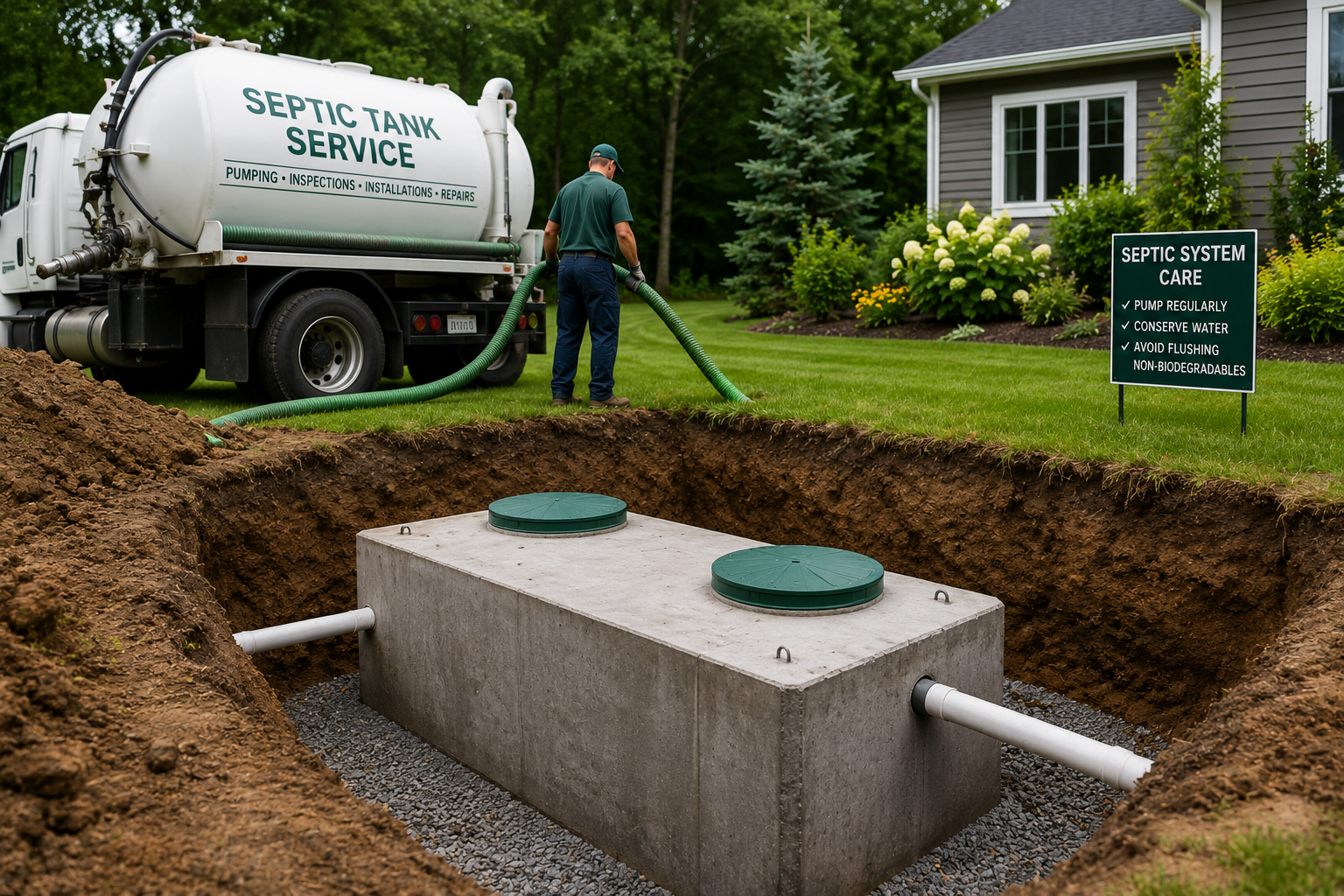
Your septic system is an essential part of your home, quietly managing wastewater day in and day out. Out of sight and out of mind is how most homeowners prefer it. But what happens when a critical component, the drain field, starts to fail? Ignoring the early warning signs can lead to costly repairs, property damage, and significant environmental concerns. Understanding the health of your drain field is key to maintaining a functional septic system. This guide will walk you through the five most common signs of drain field failure. We will explain why these symptoms occur and emphasize the importance of taking swift action.
A sump pump system in a black basin with water, PVC pipes, and a pump.
By Sara DeSantis November 17, 2025
As the seasons change and colder weather approaches, homeowners begin preparing their properties for winter. You might check the furnace, insulate pipes, and seal drafty windows. However, one often overlooked component is the sump pump. This crucial device protects your basement from flooding, but it can fail if not properly prepared for freezing temperatures. A frozen sump pump can lead to significant water damage and expensive repairs. Taking a few preventative steps now can save you from a major headache later. This guide will walk you through the essential measures to winterize your sump pump, ensuring it remains operational when you need it most. We will cover inspection, hose management, insulation, and testing to keep your home safe and dry all winter long. 
White house covered in snow with black shutters and brick chimney. Snowy trees and a smaller house in the background.
By Sara DeSantis October 29, 2025
As the days get shorter and a chill settles in the air, homeowners across the region begin the familiar ritual of winterizing their properties. You insulate pipes, check the furnace, and seal drafty windows. But there's one critical part of your home that often gets overlooked until it's too late: your septic system. A frozen or failing septic system in the middle of winter can be a messy, expensive, and stressful ordeal. Taking a few preventative steps now can save you from a major headache later.
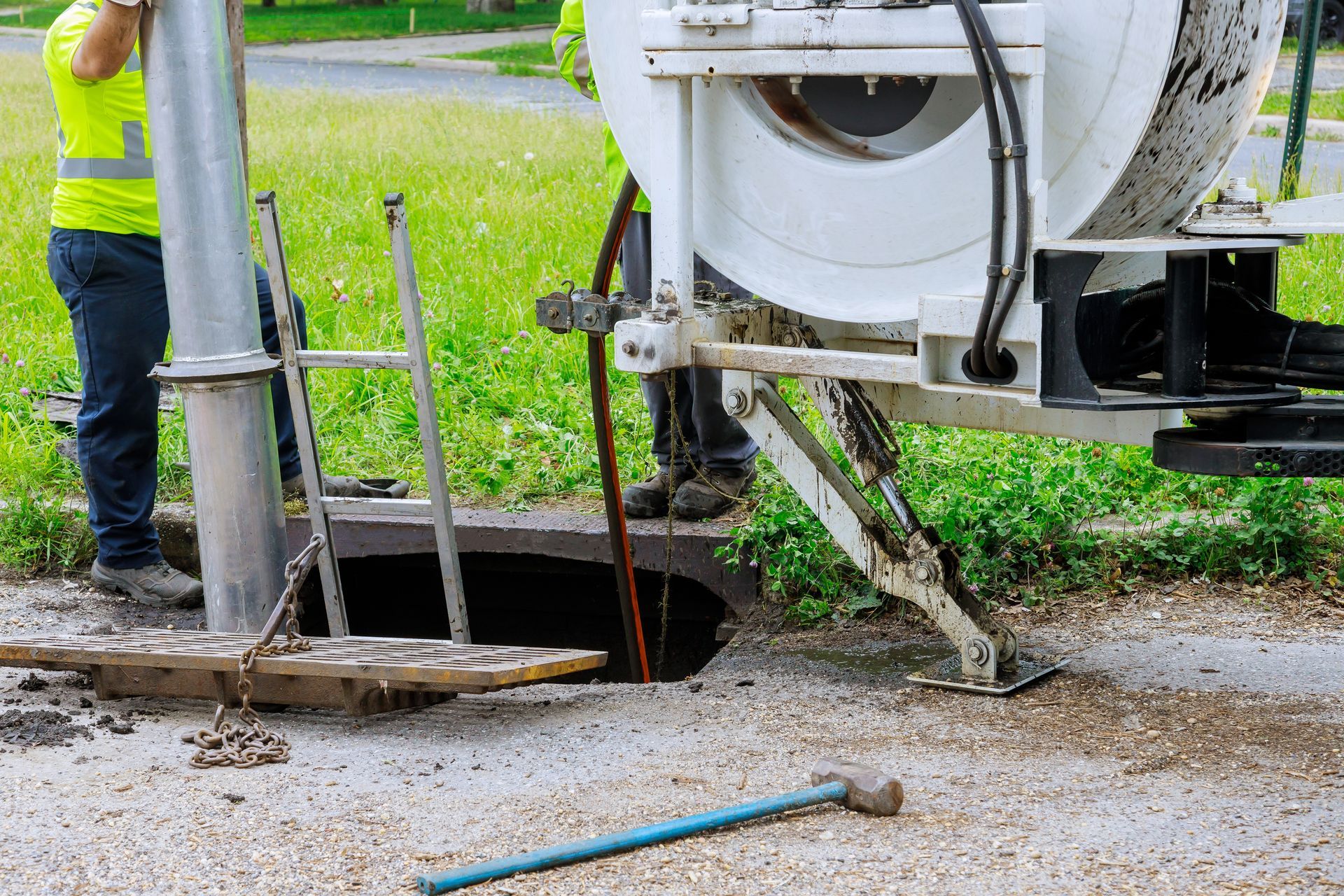
Workers with a large machine are cleaning a sewer drain in a street.
By Sara DeSantis September 22, 2025
Your septic system is one of the most important components of your home, yet it's often the most neglected. Since it works silently underground, it’s easy to adopt an "out of sight, out of mind" mentality. However, ignoring your septic tank can lead to disastrous and costly consequences, including foul odors, sewage backups, and complete system failure. Understanding and practicing regular maintenance is key to a healthy, long-lasting septic system. So, how often should you have your septic tank cleaned out? The answer isn't a simple one-size-fits-all. Several factors influence the ideal pumping schedule for your household. This guide will walk you through what you need to know to protect your property and your wallet, with expert insights from professionals like Dan Parr Septic Systems and Pumping.
By Sara DeSantis August 11, 2025
Water is one of our most valuable resources, yet it’s often taken for granted. With growing concerns around water scarcity and rising utility bills, homeowners are seeking practical solutions to manage water efficiently. One such solution is installing a cistern. But what exactly is a cistern, and why should you consider adding one to your home?
A cone is sitting in the middle of a hole in the ground in a park.
By Sara DeSantis June 12, 2025
Septic system problems can be messy, inconvenient, and costly to fix. The good news? With some proactive care and maintenance, you can keep your system running smoothly for years. Whether you're new to septic systems or just looking for guidance, here are six practical tips to help you avoid common septic troubles. 
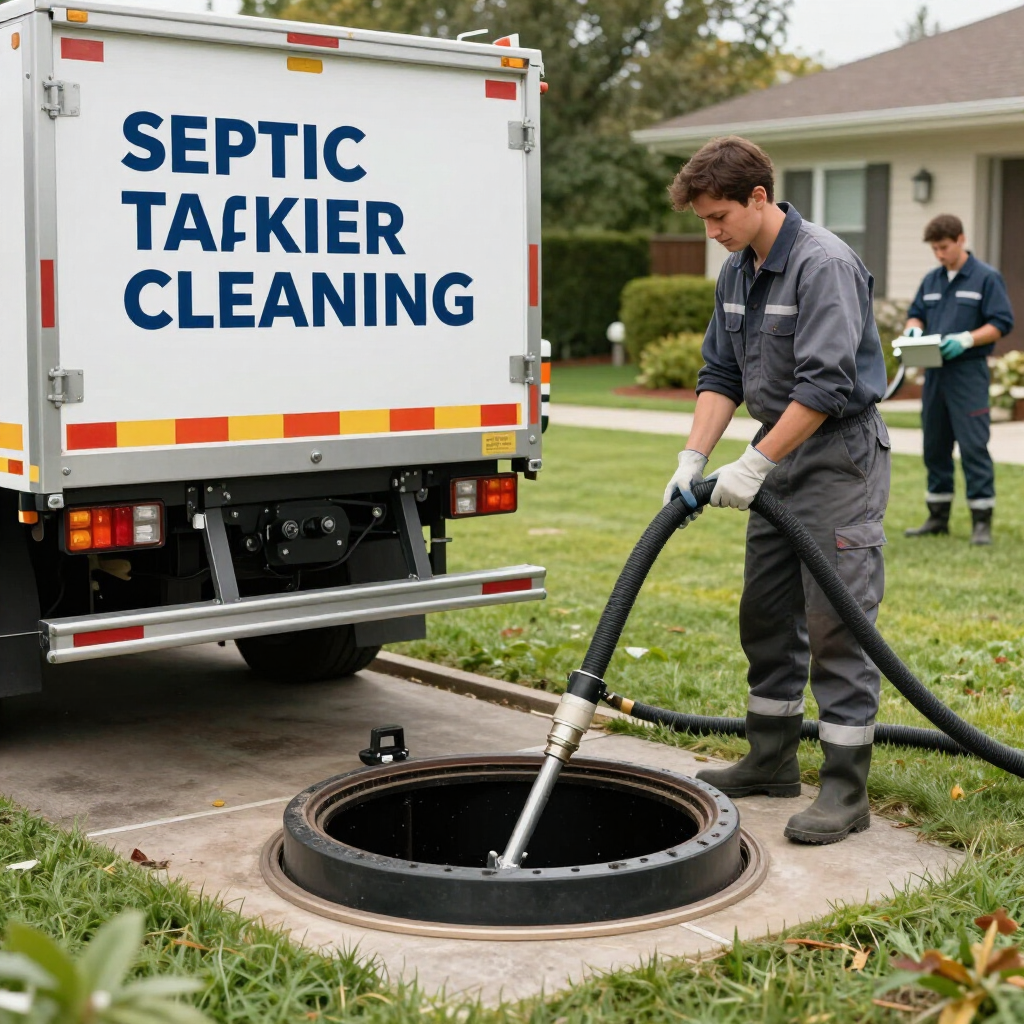
A man is standing next to a machine that is cleaning a manhole.
By Sara DeSantis May 12, 2025
If you’re a homeowner with a septic system, understanding how to maintain it is crucial. A full septic tank can lead to costly repairs, unpleasant odors, and potential health risks. The good news? Recognizing the signs of a full tank and taking action can save you from unnecessary headaches. Here’s everything you need to know about identifying a full septic tank and what steps to take.
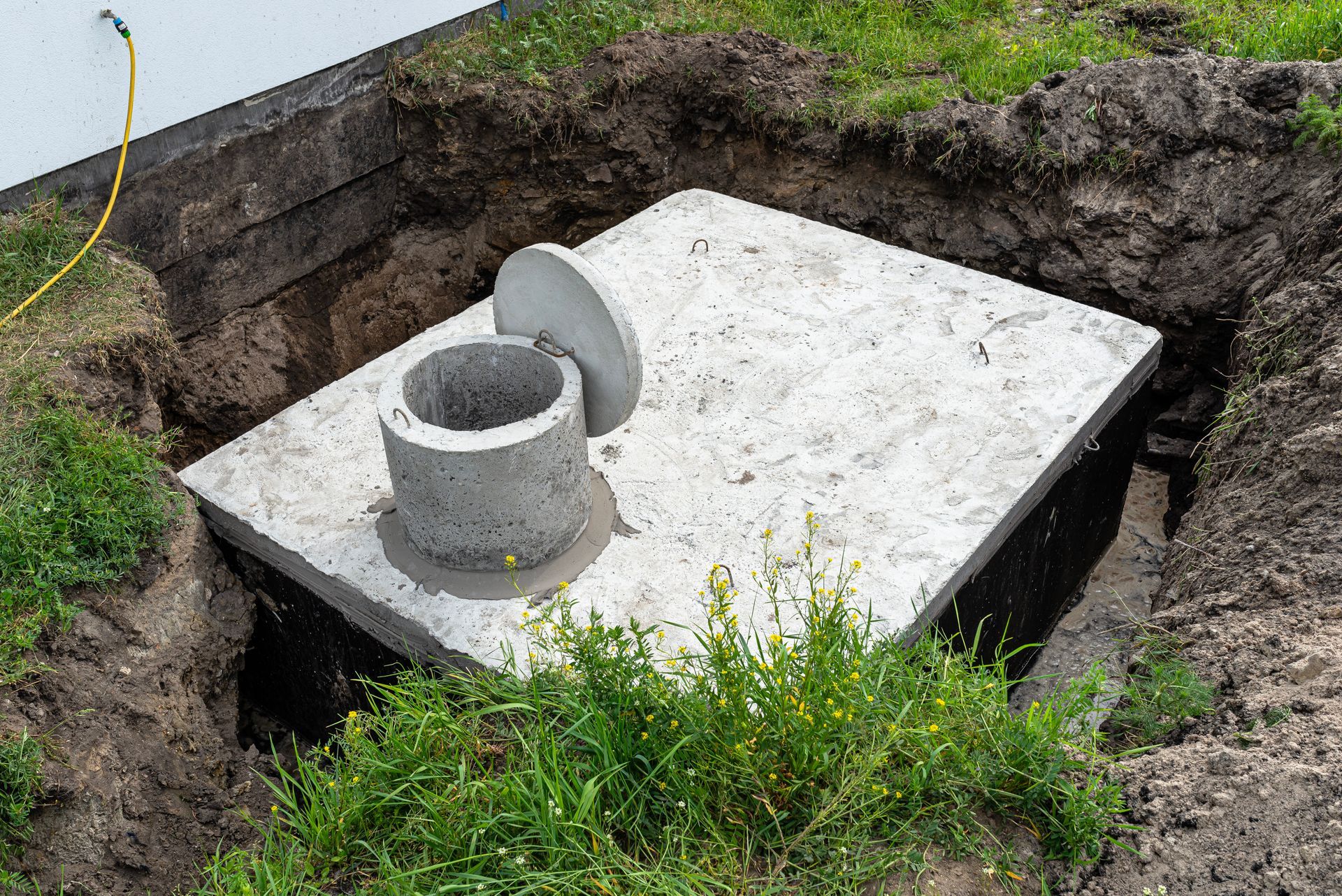
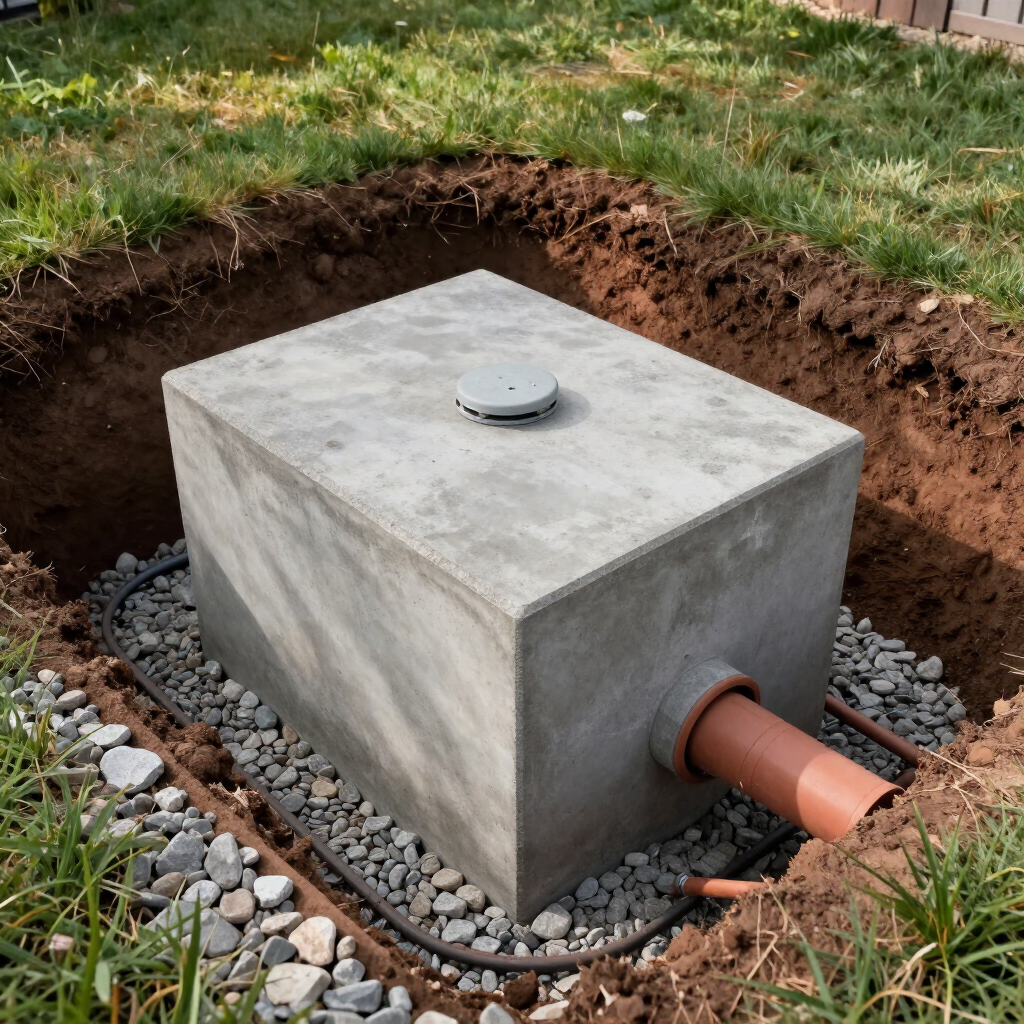
A concrete septic tank is being built in a hole in the ground.
By Sara DeSantis April 14, 2025
Winter is tough on all of us—including your septic tank system. With spring finally here, it’s the perfect time for homeowners, property managers, and landlords to ensure their septic tanks are ready for the months ahead. A little maintenance now can save you from costly repairs or messy surprises later. Here’s everything you need to know about getting your septic system back in top shape after winter.
By Sara DeSantis March 7, 2025
If you're a homeowner, plumber, or DIY enthusiast, you may have come across the term "cistern" when discussing water management systems. But what exactly is a cistern, and why should you, especially if you live in areas like Southern Ontario with septic systems, know about it? Let's dig in.
A large metal tank is sitting on the side of the road next to a pole.
By Mary McDonald February 18, 2025
How to Keep Your Septic Tank Running Smoothly