Is Your Drain Field Failing? 5 Telltale Signs
Your septic system is an essential part of your home, quietly managing wastewater day in and day out. Out of sight and out of mind is how most homeowners prefer it. But what happens when a critical component, the drain field, starts to fail? Ignoring the early warning signs can lead to costly repairs, property damage, and significant environmental concerns. Understanding the health of your drain field is key to maintaining a functional septic system. This guide will walk you through the five most common signs of drain field failure. We will explain why these symptoms occur and emphasize the importance of taking swift action.

What is a Drain Field and Why Does it Matter?
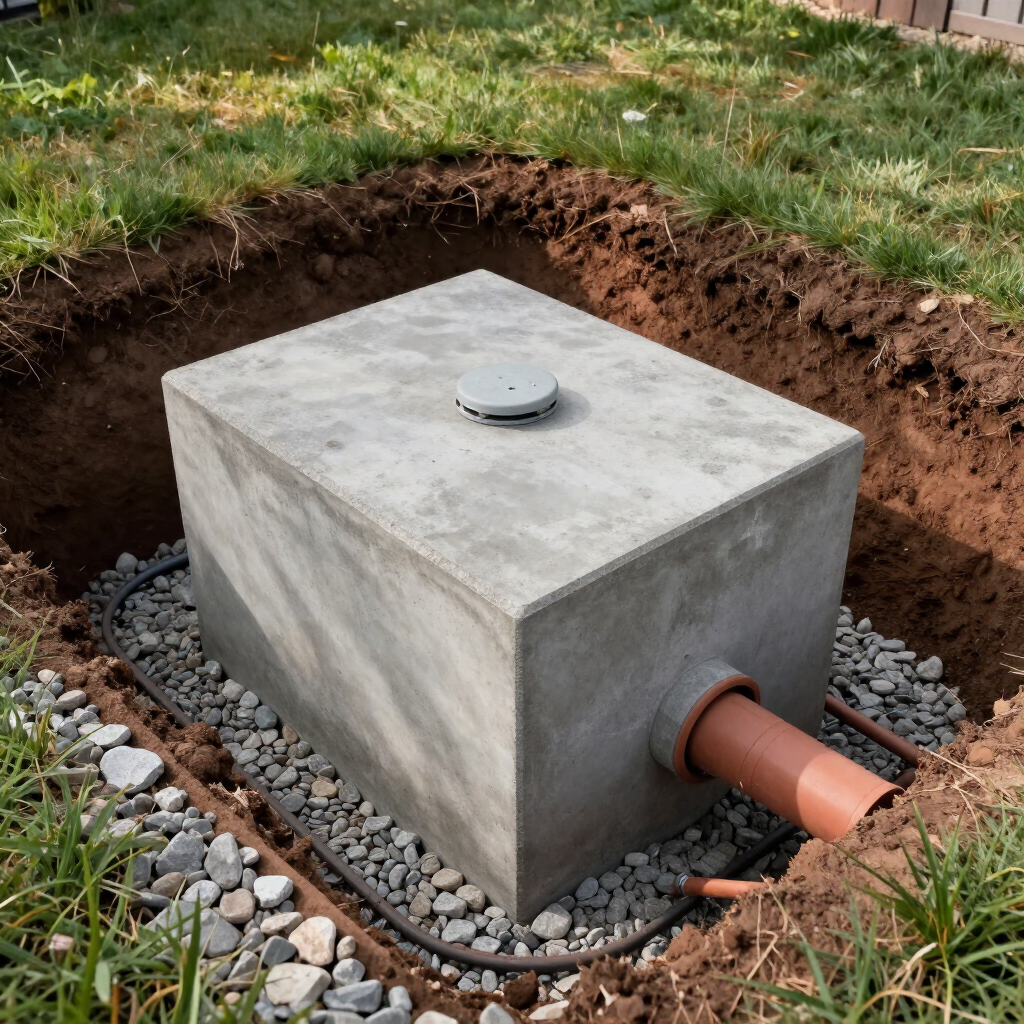
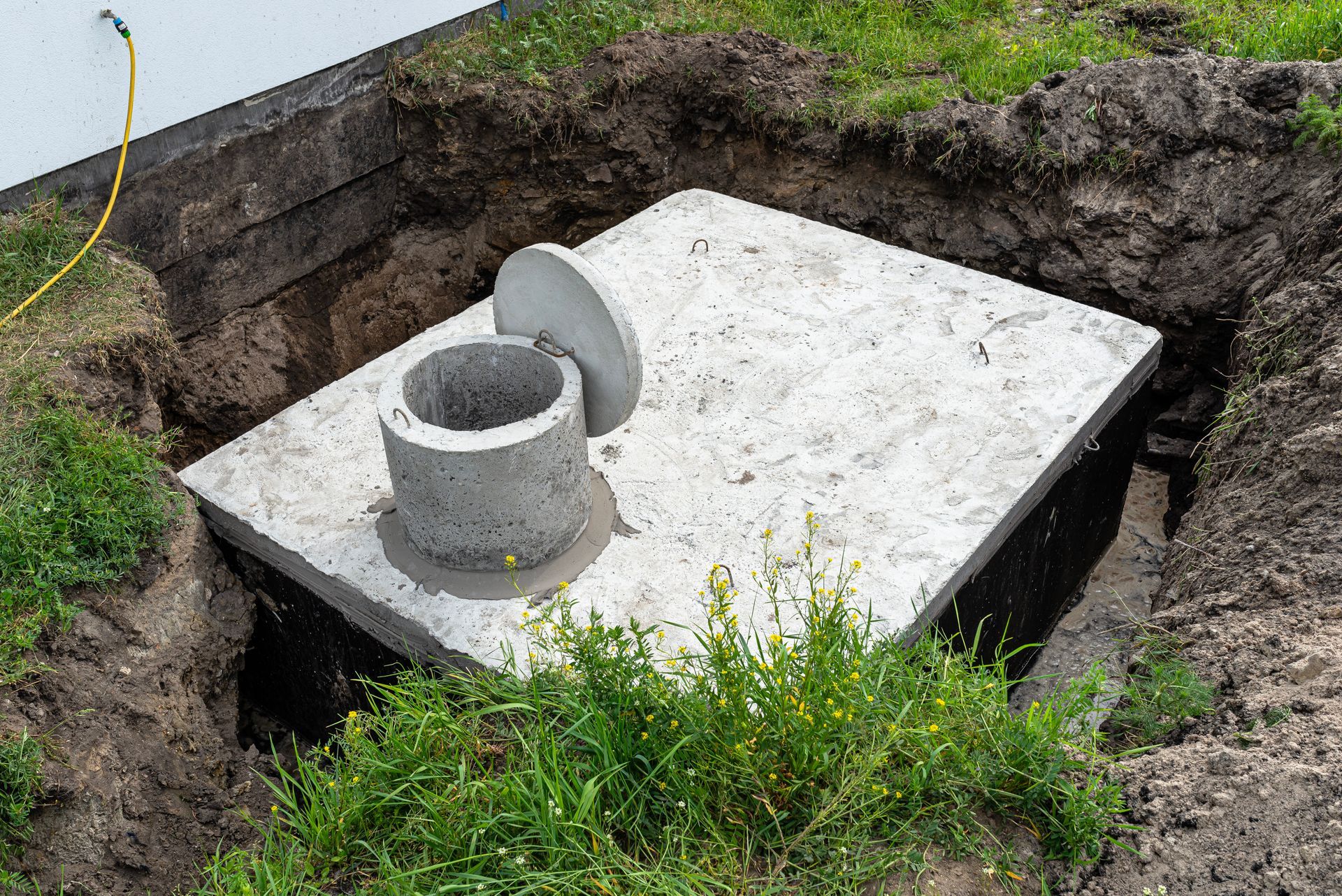
Before we dive into the warning signs, let's quickly cover what your drain field does. After solid waste settles in your septic tank, the leftover liquid, called effluent, flows into the drain field. This is a network of perforated pipes laid in underground gravel-filled trenches. The drain field's job is to slowly release this treated wastewater into the soil, where natural processes filter out any remaining bacteria and viruses.
When the drain field becomes saturated or clogged, it can no longer absorb and treat wastewater effectively. This is when problems begin to surface—quite literally.
1. Slow Draining Sinks, Toilets, and Showers
One of the first clues of a septic issue often appears inside your home. If you notice that your sinks, bathtubs, or toilets are draining more slowly than usual, it could be a sign of trouble. While a single slow drain might point to a simple clog in that specific pipe, widespread sluggishness across multiple fixtures is a major red flag.
When the drain field is oversaturated or compacted, it can’t accept any more liquid from the septic tank. This causes a backup throughout your entire plumbing system. You might also hear gurgling sounds coming from your pipes as trapped air struggles to escape.
2. Foul Odors in Your Yard or Home
Your nose often knows when something is wrong. A healthy septic system should operate without any noticeable smells. If you start detecting unpleasant odors, it’s time to investigate.
Septic Smells Outdoors
A distinct sewage or rotten egg smell lingering around your yard, especially near the drain field area, is a classic sign of failure. This occurs when untreated wastewater comes to the surface because the soil can no longer absorb it.
Septic Smells Indoors
Odors inside your home can also indicate a problem. Gurgling pipes may be accompanied by sewer gas smells emanating from your drains. This suggests that the system is not venting properly due to a blockage or backup, forcing gases back into the house.
3. Unusually Green or Spongy Grass
Have you noticed a patch of grass over your drain field that is suddenly much greener and more lush than the rest of your lawn? While it might look nice, this is not a good sign. This "greener grass" phenomenon happens when nutrient-rich wastewater is rising too close to the surface, acting as a potent fertilizer.
Along with vibrant green grass, you may find the ground feels soft or spongy when you walk on it. This indicates that the soil is saturated with liquid that isn't draining away properly.
4. Wet Spots or Standing Water
The most undeniable sign of a failing drain field is the presence of standing water or persistent wet spots in your yard. When the soil is completely overwhelmed and can no longer absorb any liquid, the effluent has nowhere to go but up.
This puddling water is untreated sewage and poses a significant health risk to your family and pets. It can also contaminate nearby wells and groundwater. If you see standing water near your drain field, it's a critical issue that requires immediate professional attention.
5. Sewage Backing Up Into Your Home
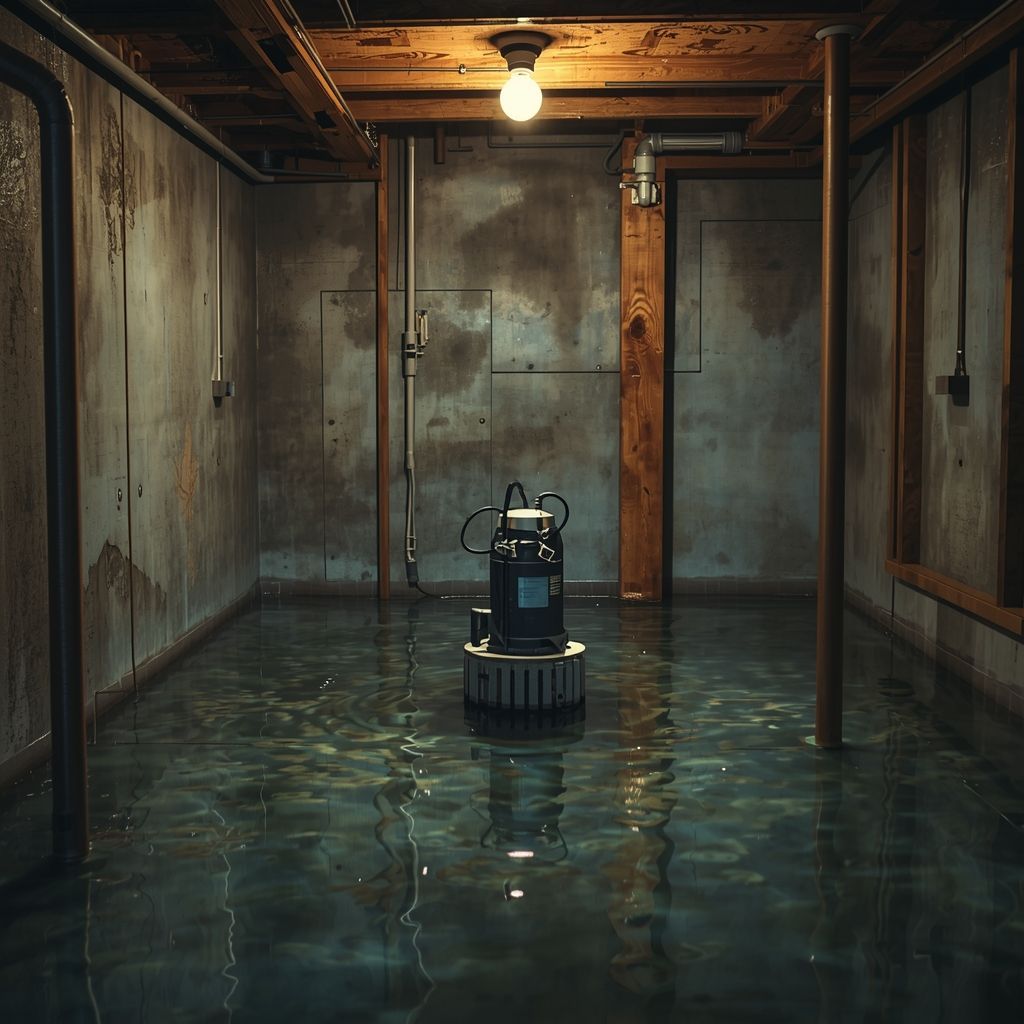
A sewage backup is the most severe and distressing symptom of a failing septic system. This occurs when the drain field is so compromised that wastewater has no escape route and flows backward through the pipes and into your home. You might find raw sewage coming up through floor drains in the basement, bathtubs, or showers.
This is more than just a messy inconvenience; it's a biohazard. A sewage backup requires emergency service to protect your health and prevent extensive damage to your property.
Don't Wait—Address Drain Field Issues Promptly
Ignoring these signs will only make the problem worse. A failing drain field can lead to complete system failure, which is far more complex and expensive to fix. Prompt action can often prevent the need for a full drain field replacement.
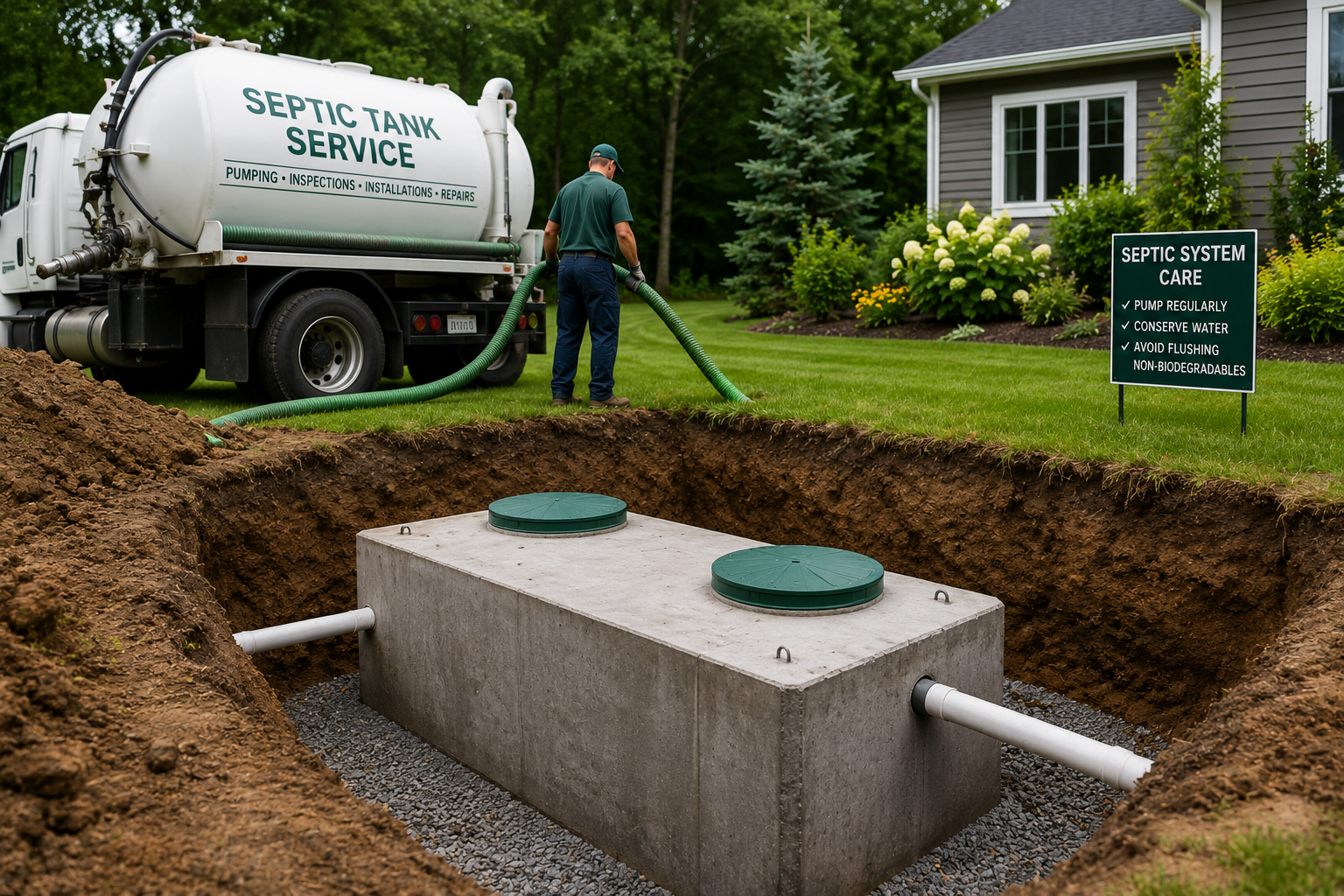
That's where professional expertise becomes invaluable. A septic specialist can accurately diagnose the root cause of the problem. Sometimes, the issue might be a simple clog or a crushed pipe that can be repaired. In other cases, the drain field may have reached the end of its lifespan.
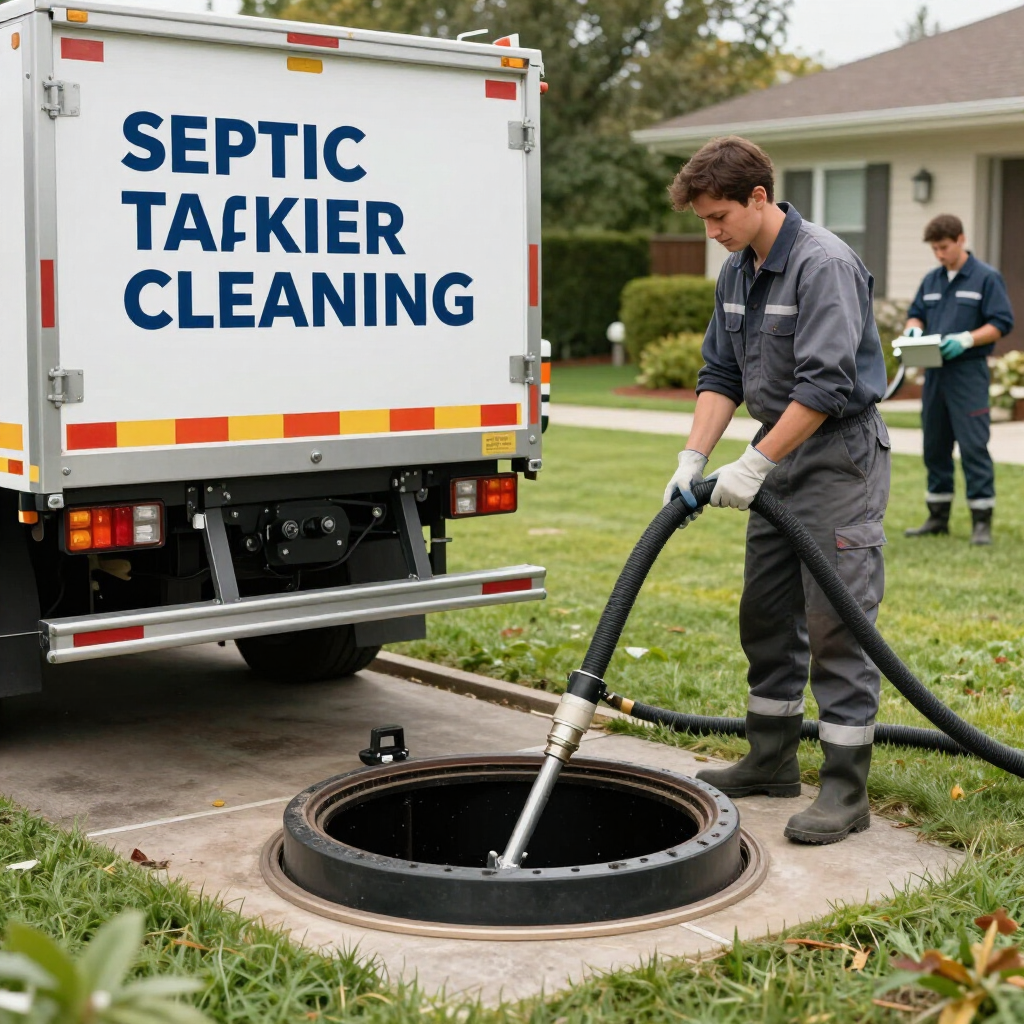
For homeowners needing reliable diagnostics and solutions, the team at Dan Parr Excavating Septics and Septic Pumping offers unparalleled expertise. With years of experience, we can quickly identify the source of your drain field problems. We use advanced techniques to assess the condition of your entire septic system and determine the most effective course of action.
Whether it’s a necessary repair, septic pumping to relieve pressure on the system, or a full drain field replacement, we have the knowledge and equipment to get the job done right.
Contact the Experts for Peace of Mind
If you're experiencing any of the signs discussed above, don't hesitate. Protecting your property and your family's health is too important to delay. Contact Dan Parr Excavating today for a professional assessment. Our team is ready to provide the expert assistance you need to restore your septic system to proper working order and give you peace of mind.
See why prompt action is crucial and how experts can help.