How Does Septic Tank Pumping Work? What Hamilton Property Owners Can Expect
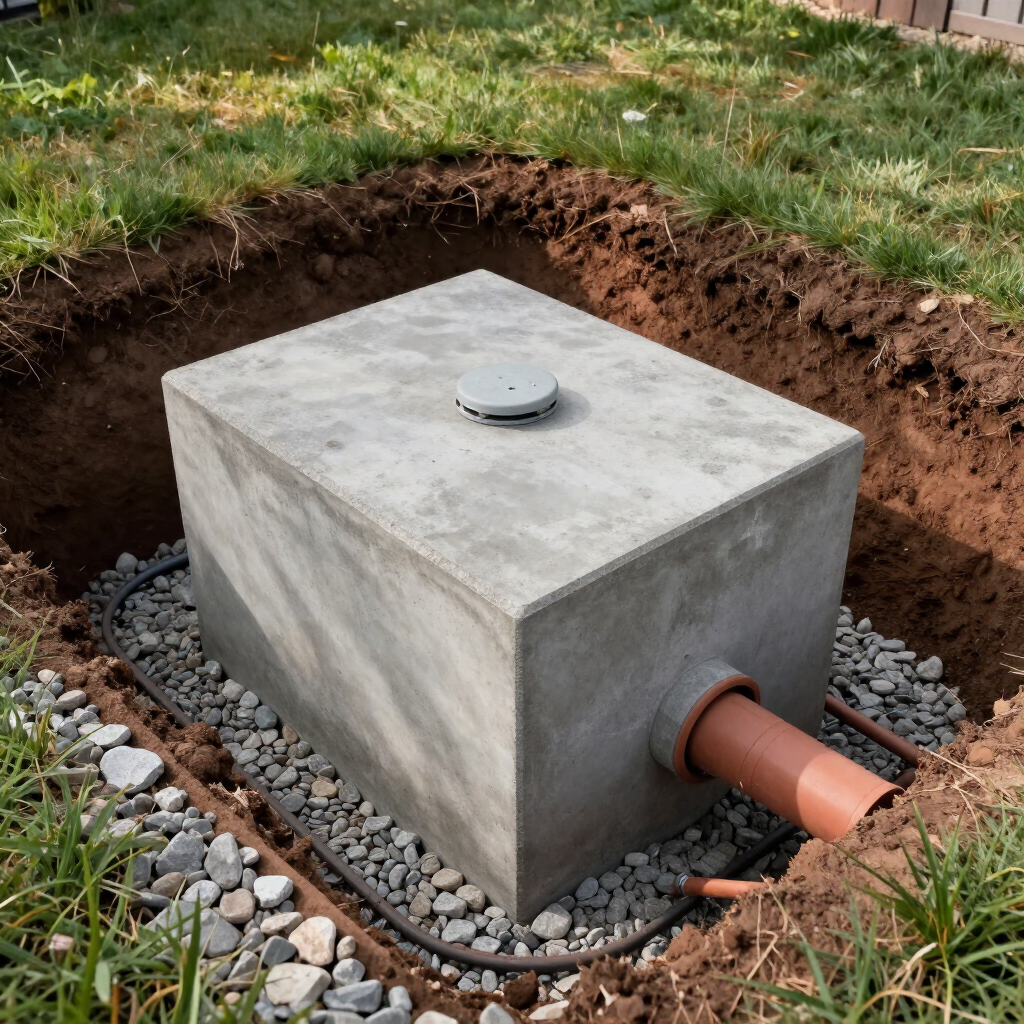
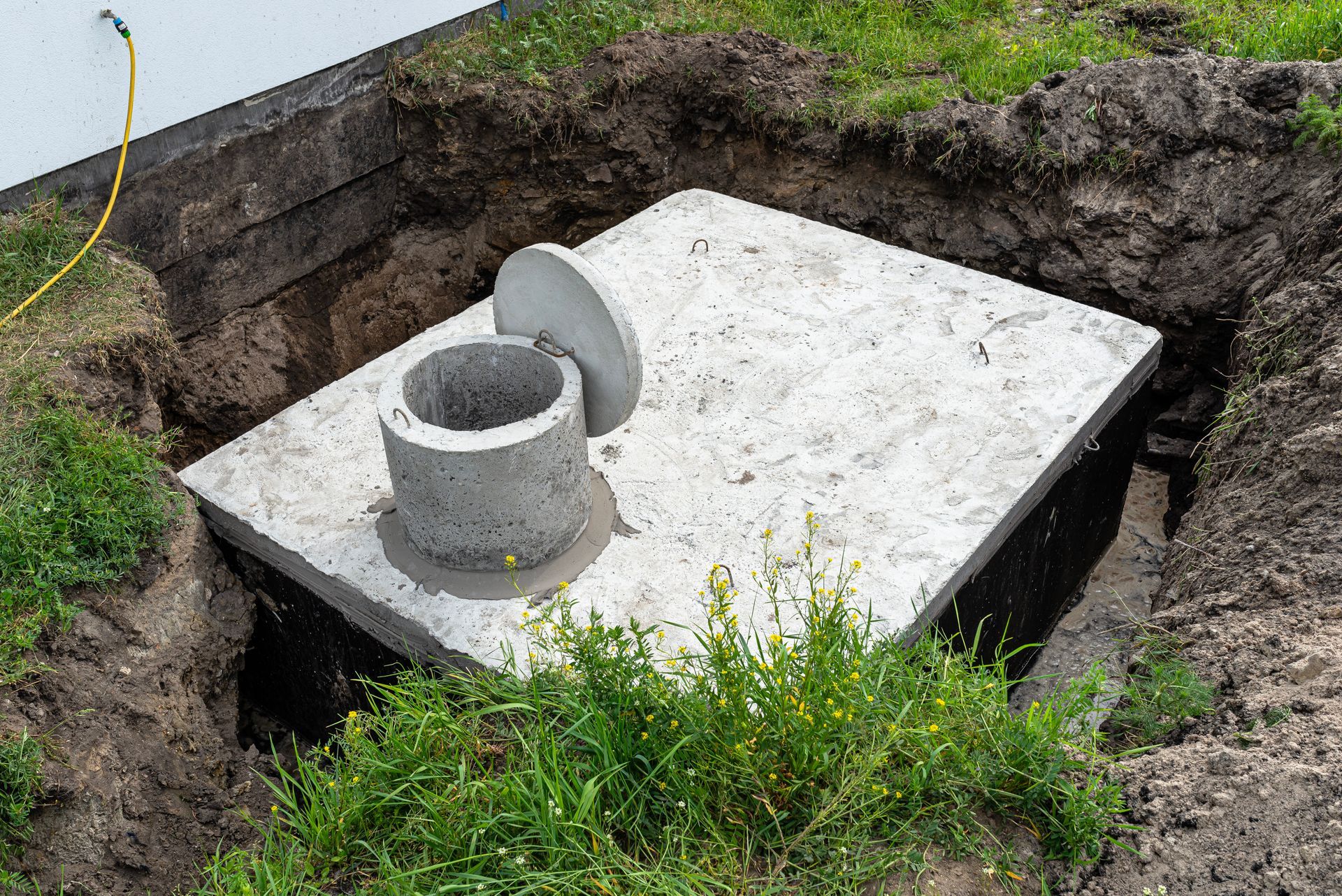
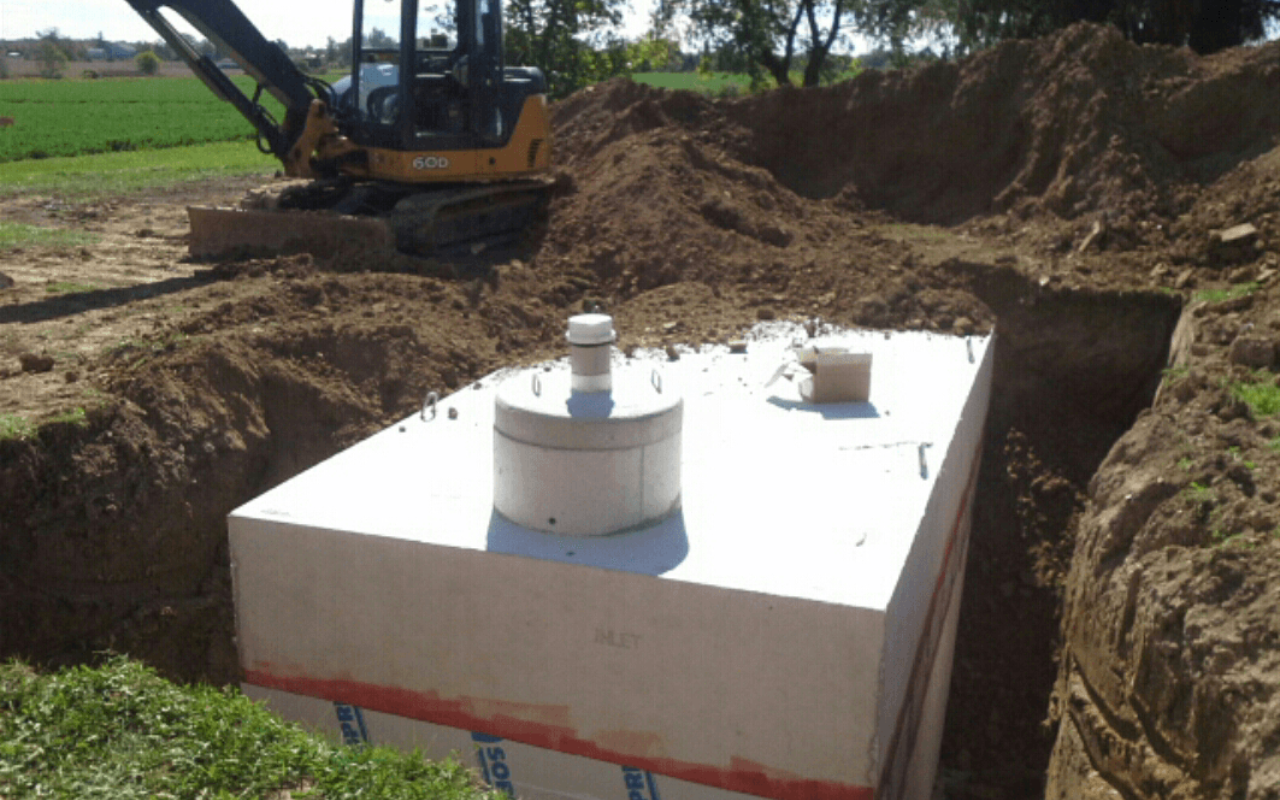
Septic tank pumping removes accumulated liquid and solids from the tank so the system can continue separating wastewater as designed. At Dan Parr’s Sewer, we begin by identifying the system, confirming safe access and asking about its maintenance history and any warning signs. A service visit is also an opportunity to observe accessible components and discuss a pumping schedule based on household use, tank size and the condition found—not simply a date copied from another property. A septic system treats wastewater on the property. The tank holds waste long enough for solids to settle and lighter material to rise, while liquid moves onward to the treatment or dispersal area. Pumping removes material that does not leave with the effluent. If solids build too high, they can reduce working capacity and contribute to problems downstream.

Why routine pumping matters
Pumping supports system function, but it cannot repair a broken pipe, failed baffle or damaged dispersal area. Routine service allows a professional to see the tank level and accessible components before a full backup forces an emergency decision. Dan Parr’s website recommends pumping and servicing every two years as a general guideline, while noting that household size, wastewater generation, solids, tank size and garbage-disposal use can change frequency.
The right schedule is property-specific. A small household with careful water use may load a system differently from a large family doing frequent laundry. Keep service records so the next technician can compare conditions rather than starting with no history.
What happens before the truck arrives?
We confirm the address, access and known tank location. Tell us whether the property has gates, soft ground, steep grades, pets or restricted vehicle access. Keep the route clear and do not park over the tank or system components. The service vehicle must remain on a surface and in a position the operator determines is safe.
If you know the tank location, share the information, but do not excavate or remove a heavy lid unless specifically instructed and qualified to do so. Septic tanks are confined spaces with dangerous gases and structural hazards. Never enter a tank, lean into an opening or leave an access point unsecured.
How is the tank accessed?
The technician locates the appropriate service opening and exposes it as required. Access details vary by system. Some tanks have risers near grade; others require careful excavation. The opening used for pumping should provide suitable access to the tank, not simply the first small pipe a homeowner finds.
Once opened, the area must be controlled so nobody can fall in. Children and pets should remain away. The condition of lids, risers and visible components may be noted. A damaged or unsafe cover needs attention before the site is left secure.
What is removed during pumping?
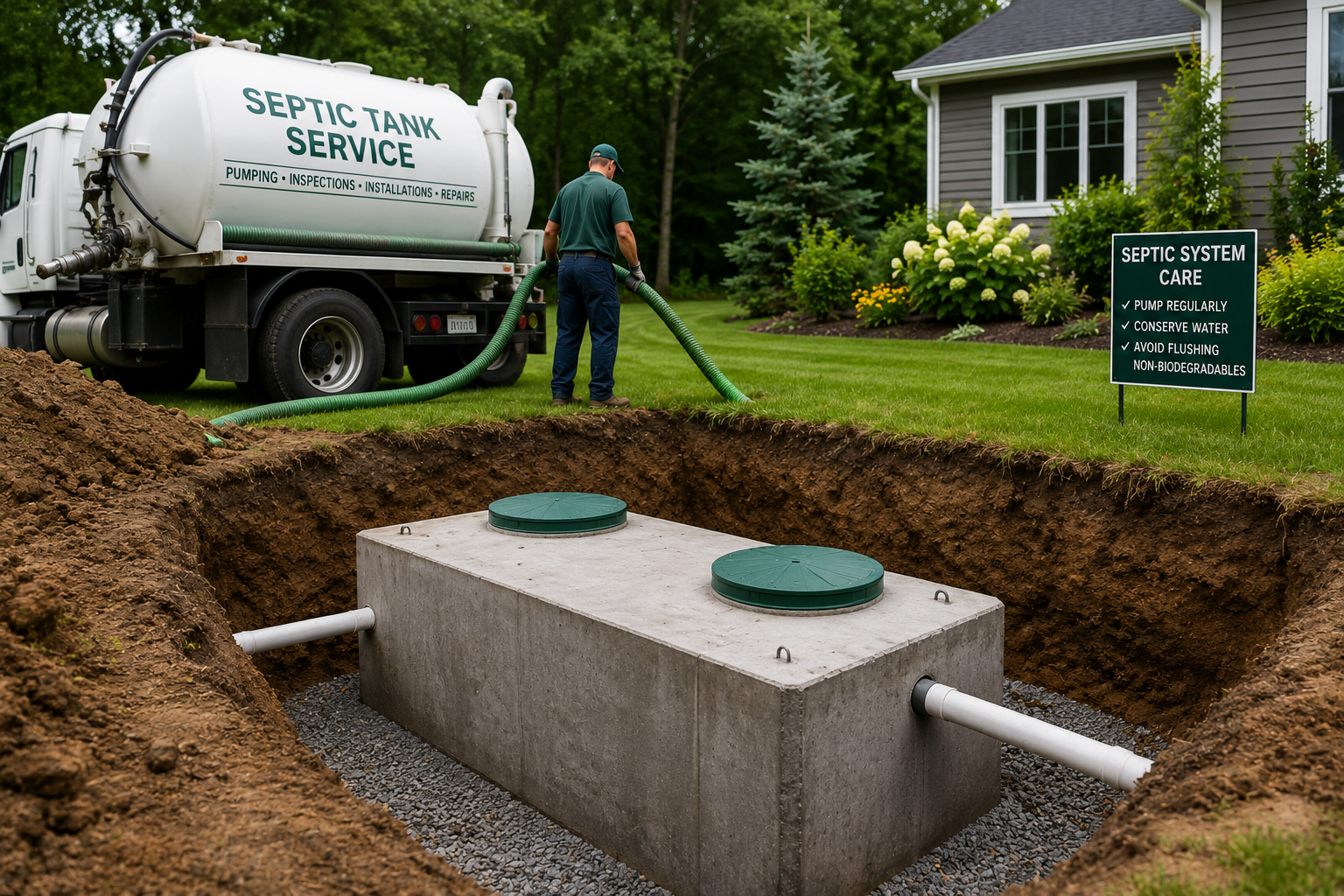
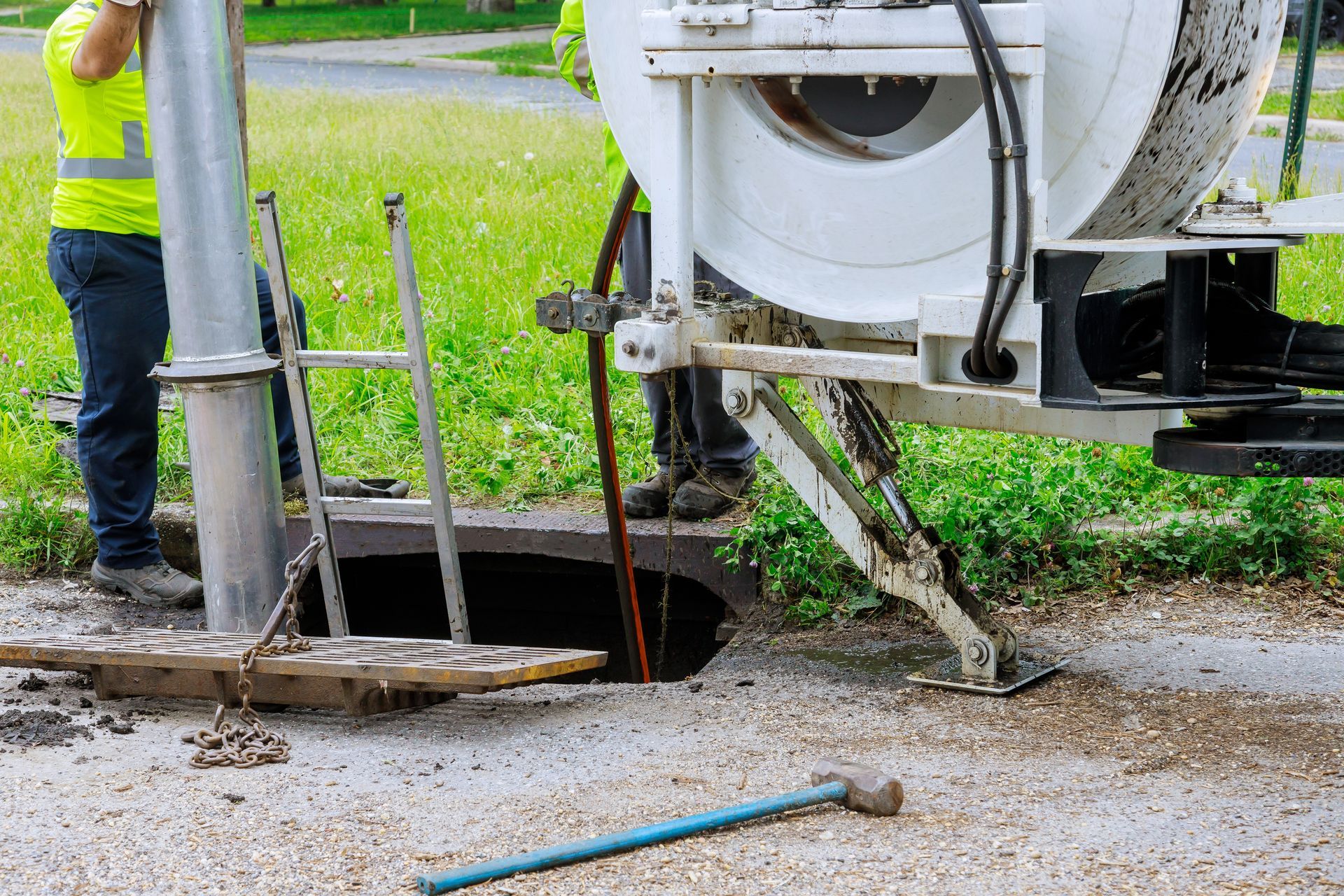
A vacuum hose transfers the tank contents to the service vehicle. The technician works to remove the accumulated liquids, sludge and floating layer. The exact procedure depends on the tank and equipment. Material is handled and transported according to applicable requirements.
The tank should not be treated as an ordinary container to be washed by a homeowner. Additives, pressure washing and aggressive scraping are not universal requirements. Ask what the service includes and why. The goal is to remove accumulated waste and evaluate observable conditions without damaging components.
What can be inspected during service?
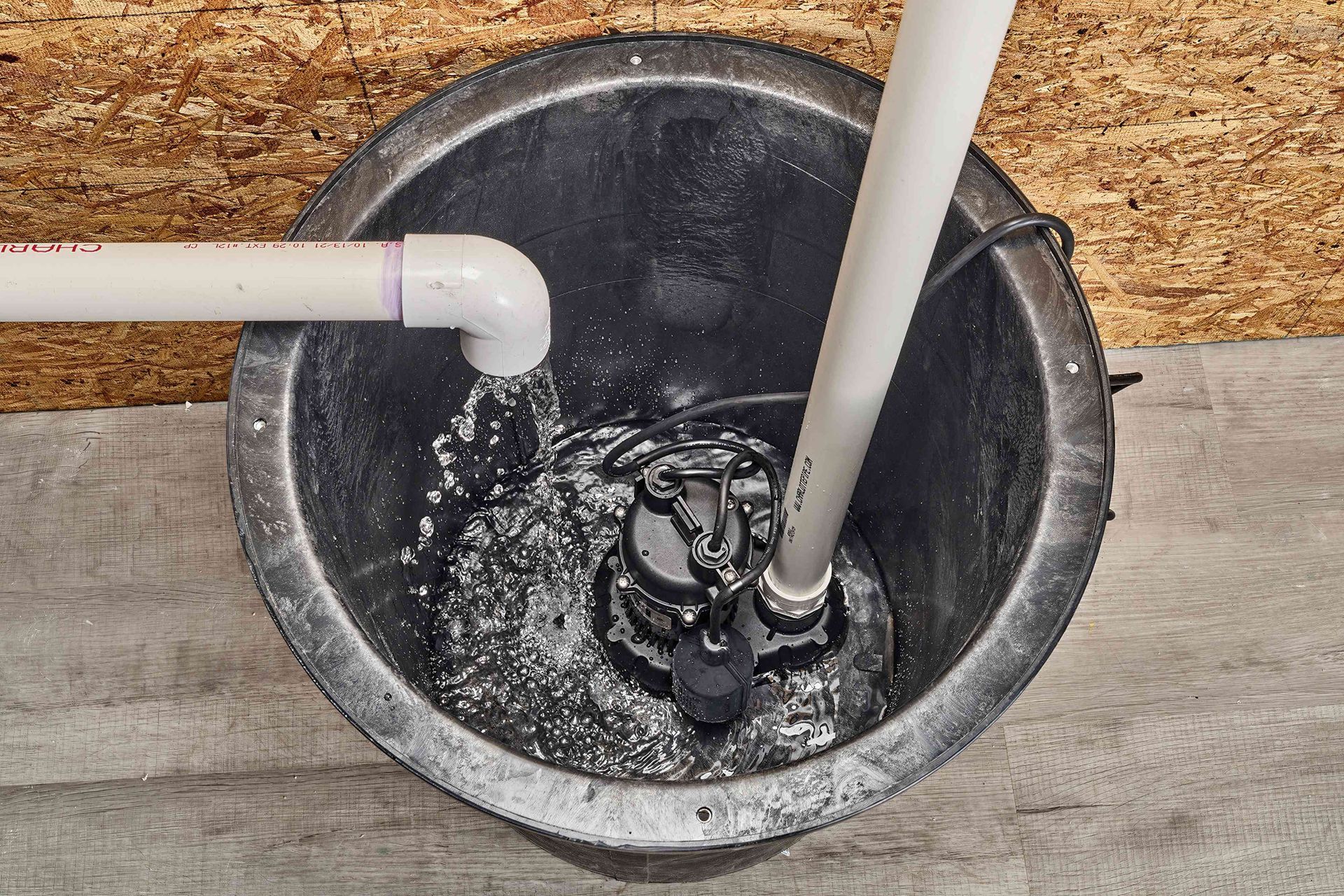
Dan Parr’s pumping service includes attention to tank level, baffles, sump pumps and the aerator shaft where applicable. Systems vary, so the relevant components depend on what is installed. An observation during pumping can reveal a damaged part, unusual level, inflow or other condition that warrants further diagnosis.
A pumping visit is not automatically a full engineering inspection or guarantee of the entire system. Ask what was visible, what could not be assessed and whether another professional or test is recommended. Clear boundaries prevent a maintenance receipt from being mistaken for proof that every underground component is sound.
How long does septic pumping take?
Timing depends on locating and exposing access, tank size, contents, hose distance, site conditions and whether problems are discovered. A straightforward, accessible tank may be serviced efficiently, while a buried lid or difficult property requires more preparation. Ask for arrival and access expectations when booking rather than relying on a universal time.
Do not schedule landscaping, paving or a large gathering around the access area on the same day. Leave space for safe operation and for discussion after the work. Weather and ground conditions can also affect vehicle placement.
Will there be odour?
Opening and pumping a septic tank can create temporary odour near the work area. Keep windows closed nearby and remain clear of the operation. A persistent sewage smell inside the house before or after service is a separate symptom that should be reported.
Indoor odour can involve traps, venting, plumbing leaks or a septic issue. Do not assume pumping alone will correct every smell. Tell us where and when it occurs so the appropriate system can be investigated.
What signs mean you should call before the scheduled date?
Slow drains throughout the house, gurgling plumbing, sewage odours, wastewater backup or unusually wet areas near the system deserve prompt attention. These signs do not prove the tank only needs pumping. A blockage, damaged component or saturated treatment area may be involved.
Stop unnecessary water use if sewage is backing up. Keep people and pets away from wastewater and call for help. Do not open the tank to check it yourself. A dangerous atmosphere and fall hazard can exist even when the problem appears simple.
How should the household prepare?
Complete heavy laundry and other high-water tasks before or after the appointment only as advised; avoid sending unnecessary water to the system while it is being serviced. Make sure the technician knows about recent backups, repairs, alarms or unusual water use. Gather previous pumping records and any property plan showing system location.
Secure pets and unlock gates. Remove decorations, furniture and vehicles from the access route. If the property is rented or shared, confirm authorization and tell occupants about the visit. Good preparation reduces delays and protects the site.
What affects pumping frequency?
Household size, water use, tank size, solids and system type all matter. A garbage disposal may increase solids entering the tank. Leaking toilets and fixtures increase hydraulic load. Guests, a home business or a change in occupancy can alter a schedule that worked in previous years.
We assess usage patterns and the condition found during service. Avoid waiting for a backup as the reminder. At the same time, pumping more frequently than necessary is not a substitute for repairing leaks or changing harmful disposal habits.
Water conservation and the septic system
Spread laundry across the week rather than running many loads in one day when practical. Repair leaking toilets and taps. Choose efficient fixtures and appliances when replacement is needed. High volumes arriving at once can disturb the tank’s settling process and strain the system.
Conservation does not mean avoiding necessary hygiene. It means eliminating waste and managing peak loads. If your household size or routine changes, ask whether the maintenance plan should change too.
What should never go down the drain?
Keep wipes, hygiene products, diapers, grease, solvents, paint, medication and other unsuitable material out of the system. “Flushable” marketing does not guarantee a product will behave like toilet paper in your plumbing or septic tank. Use the toilet for human waste and appropriate toilet paper.
Kitchen grease and food solids add load and can cause plumbing problems before they reach the tank. Dispose of them through the appropriate local waste stream. Do not use septic additives as permission to flush unsuitable material.
Do additives replace pumping?
No additive removes the need to manage accumulated solids. Products may make broad claims, but the system still needs assessment and pumping at an appropriate interval. Some substances can disrupt treatment or move solids where they cause harm.
Ask a licensed local septic professional before adding a product. Base maintenance on the actual system and applicable requirements, not a label promising that the tank will never need service.
What happens after pumping?
The technician secures the tank access and discusses observations. Ask what level and condition were found, whether accessible components appeared intact and when the next service should be considered. Record the date, company, tank information and any recommendation. Protect the access area and restore landscaping appropriately. Do not drive or build over the tank or dispersal area. If a repair was recommended, understand whether it is urgent and what evidence supports it.
Pumping versus septic repair
Pumping is maintenance and can relieve a full tank, but recurring backup shortly afterward suggests another issue. A damaged pipe, baffle, pump, aeration component or dispersal problem requires diagnosis. Dan Parr’s team can evaluate and repair different septic and aeration systems based on what is found. Do not approve a large repair based only on a neighbour’s experience. Ask to see the problem where possible, review options and understand the scope. Site, soil, system design and damage differ between properties.
Buying or selling a property with a septic system
A pumping receipt is useful maintenance history, but it is not the same as a comprehensive system evaluation for a real-estate transaction. Buyers should ask for installation information, permits where available, pumping records and known repairs. Sellers should avoid making guarantees that a routine service does not support. If an inspection or performance evaluation is required, clarify the scope and the professional responsible. Pumping immediately before an assessment can affect what is observable, so coordinate the timing with the inspector. Do not conceal alarms, backups or wet areas; accurate history helps everyone make a better decision.
Protect the treatment area
Know where the dispersal or treatment area is and keep vehicles, sheds, pools and heavy landscaping away unless the system design specifically allows otherwise. Compaction and construction can damage the system. Direct roof and surface drainage away appropriately so rainwater does not add unnecessary load. Planting choices matter. Deep roots can interfere with components, while bare eroding soil also creates problems. Ask a qualified professional about suitable shallow-rooted cover and setbacks for your system. Do not install irrigation over the area without advice.
Understanding alarms and pumps
Some systems include pumps, aerators or alarms. An alarm does not always identify the exact fault, but it should not be ignored or silenced without action. Reduce water use and follow the system provider’s instructions while arranging service. Never enter a tank or electrical control area to investigate. Tell us the alarm type, when it began and whether power recently failed. If a breaker trips repeatedly, do not keep resetting it. Electrical and wastewater hazards require qualified service.
Schedule septic tank pumping in Hamilton
At Dan Parr’s Sewer, we provide septic tank pumping, cleaning, assessment and repair for Hamilton and surrounding communities. Tell us about your household, system history and any warning signs when booking. We will help you understand the service, maintain safe access and build a practical plan for the system on your property.