How Often Should You Schedule Septic Tank Pumping in the Hamilton Area?

Chelsey Smith • August 12, 2026

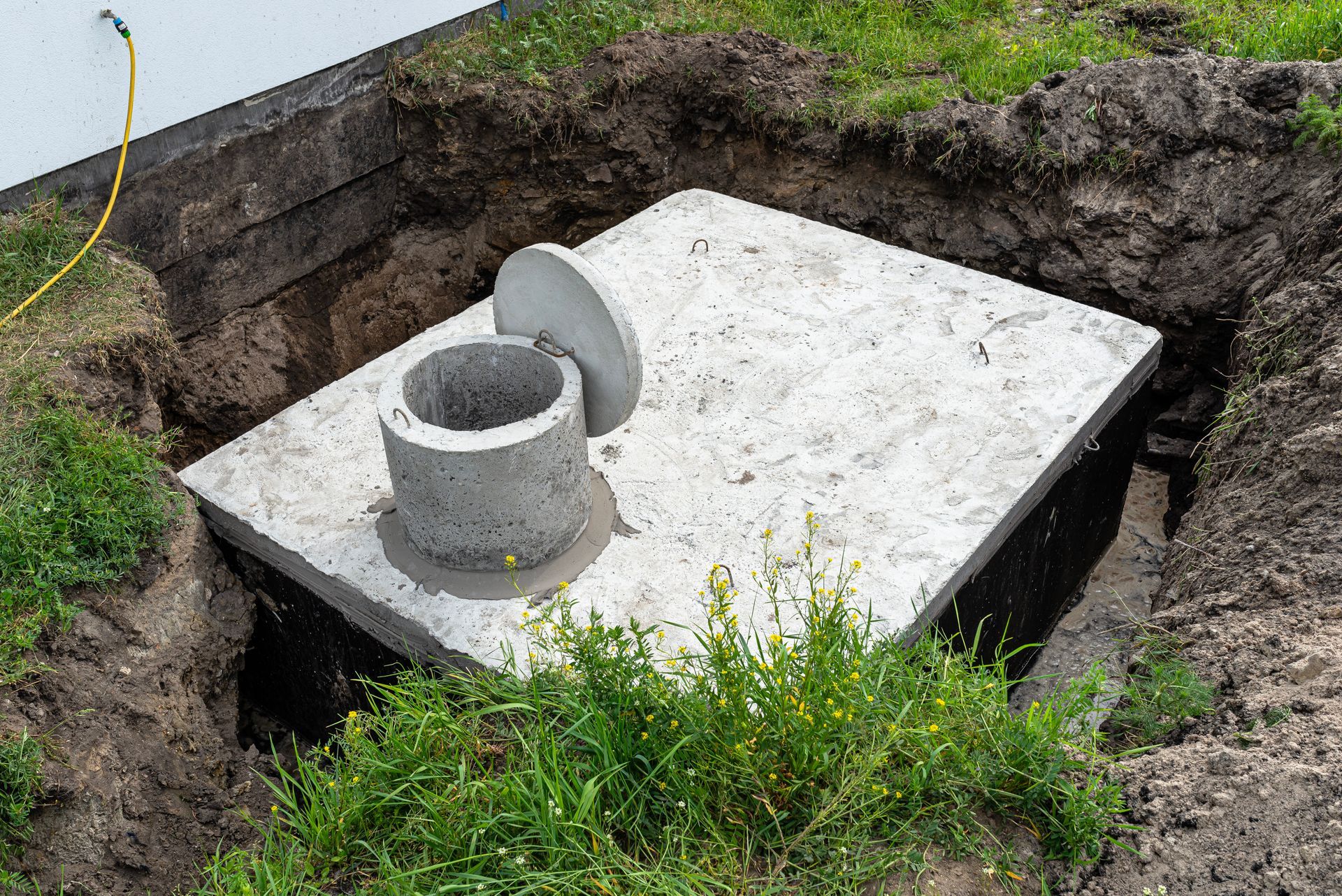
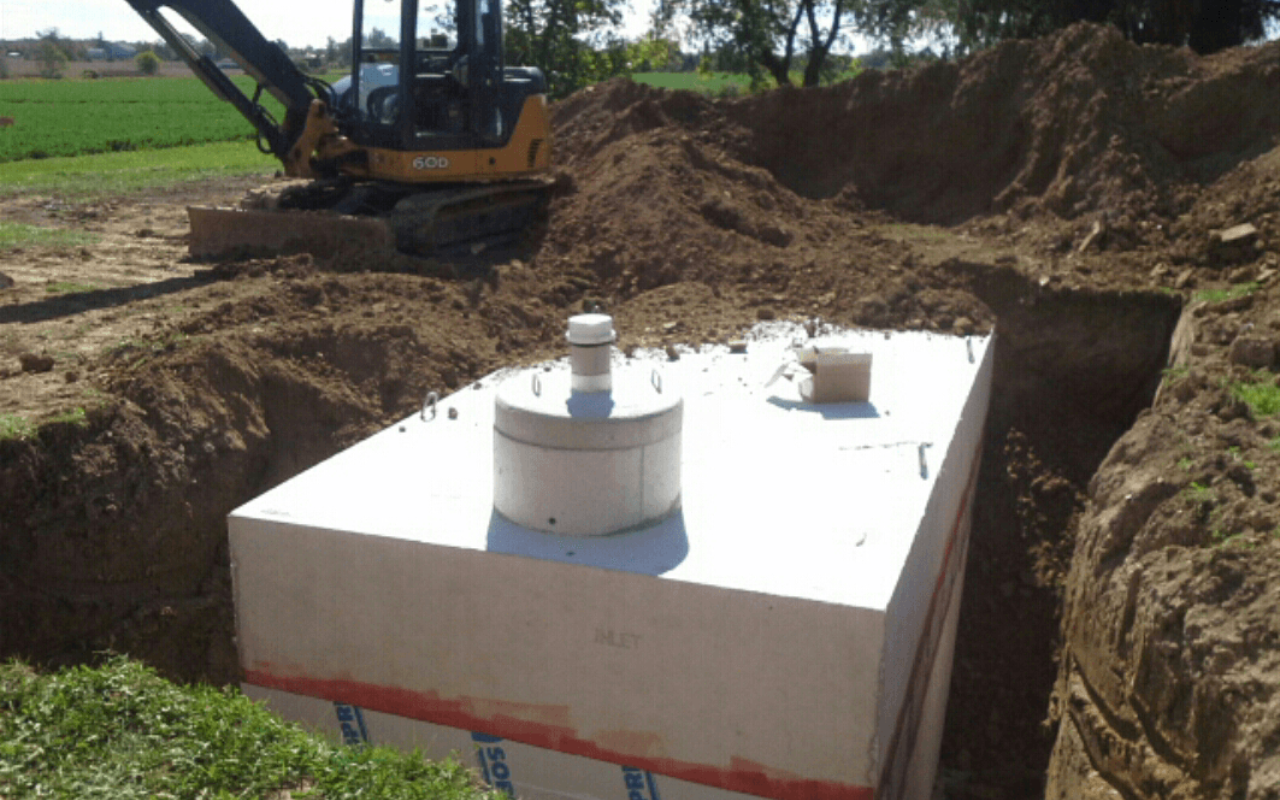
A septic system works quietly in the background, so it is easy to forget about it until a drain slows down, an odour appears or wastewater backs up. Regular maintenance is far less disruptive than an emergency. For most households, septic tank pumping in Hamilton should be scheduled every three to five years, but the right interval depends on the tank, the household and how the system is used.


Understanding what affects that timeline helps homeowners protect their property, avoid unnecessary repairs and keep the entire system working efficiently.
Why Septic Tanks Need to Be Pumped


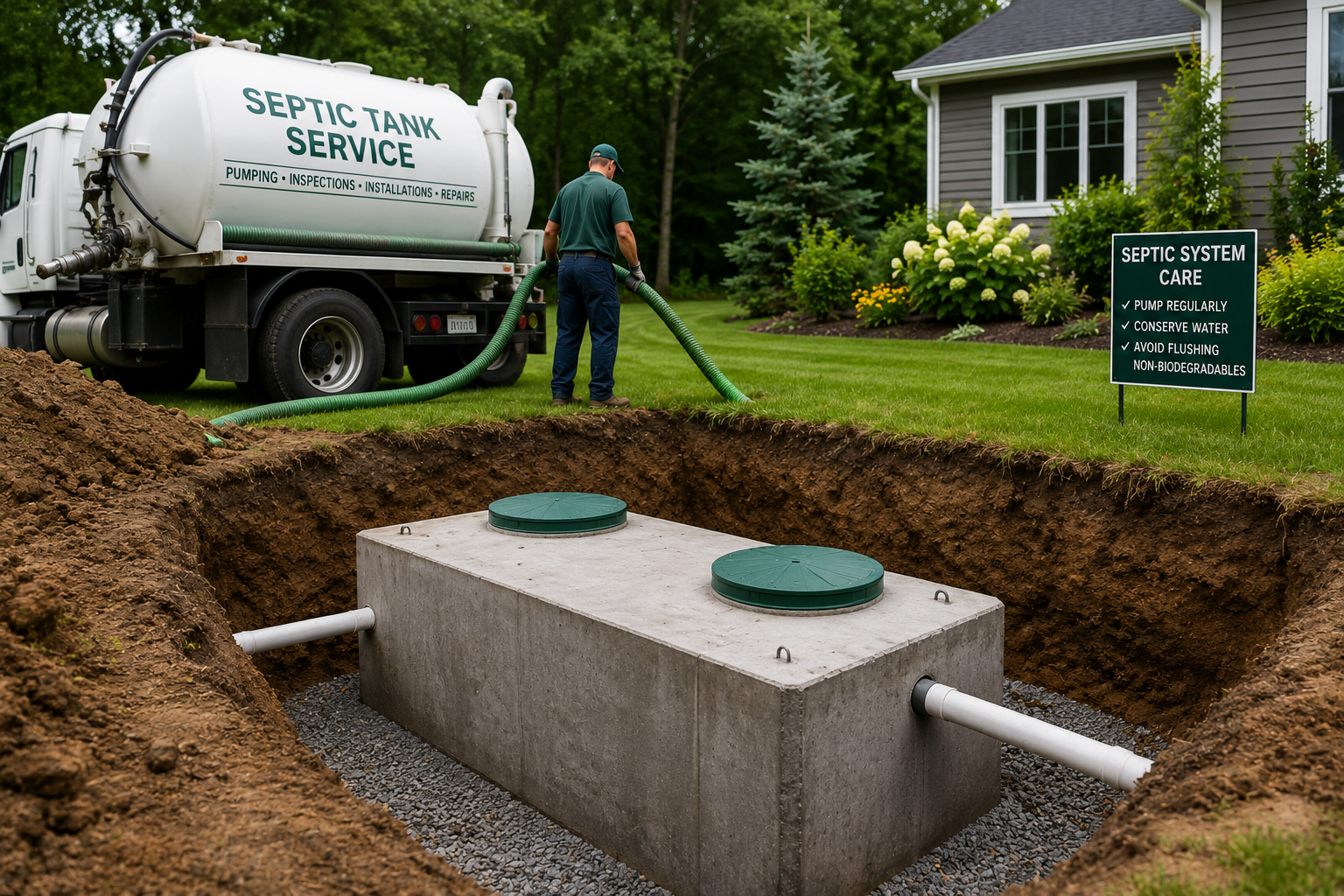
Every time water leaves a sink, shower, toilet or appliance, it flows into the septic tank. Inside the tank, solids settle to the bottom as sludge, while lighter materials such as oils and grease form a scum layer near the top. The liquid between those layers moves into the leaching bed for further treatment.


Bacteria break down some waste, but they cannot eliminate all of the solids. Over time, sludge and scum accumulate. If they are allowed to take up too much space, solids may move into the outlet or leaching bed. That can restrict flow, reduce treatment performance and contribute to costly damage.


Pumping removes the accumulated material before it reaches that point. It also gives a technician an opportunity to observe the tank, baffles, access points and visible signs of trouble.


The General Three-to-Five-Year Guideline


A three-to-five-year interval is a useful starting point for a typical occupied home. However, it should not be treated as a fixed rule for every property. A smaller tank serving a large family may fill much faster than a larger tank used by two people. A seasonal property may need service less often, although long gaps without inspection are still unwise.


The best schedule is based on actual conditions. When the tank is pumped, ask the service provider how much sludge and scum were present. That information can help determine whether the next appointment should be sooner, later or at the same interval.


Factors That Affect Pumping Frequency


Household size has a major effect. More people generally means more wastewater and more solids entering the tank. Frequent guests, a home-based daycare or a multigenerational household can also increase the load.


Tank capacity matters as well. If you do not know the size of your tank, a septic professional may be able to identify it through records, measurements or an on-site assessment. Smaller tanks usually require more frequent attention.


Water use is another important factor. Leaking toilets, long showers, multiple loads of laundry in one day and inefficient fixtures can send excessive water into the system. Large surges may disturb settling inside the tank and push wastewater through too quickly.


Garbage disposal use can add food solids that increase sludge. Flushing wipes, hygiene products, paper towel, cat litter, grease or other materials labelled “flushable” can create problems because septic systems are designed primarily for wastewater, toilet paper and human waste.


Signs Your Tank May Need Attention Sooner


Do not wait for the calendar if the property shows warning signs. Slow drains throughout the home, gurgling fixtures, sewage odours, unusually lush or wet areas near the tank or leaching bed, and wastewater backup can all indicate a developing issue.


One slow sink may be a local plumbing blockage. Several slow fixtures at the same time are more concerning. A backup is urgent because wastewater can damage finishes, contaminate living areas and create a health risk.


These symptoms do not always mean the tank simply needs pumping. They may point to a blocked pipe, damaged baffle, failed pump, saturated leaching bed or another fault. A professional assessment can distinguish routine maintenance from septic tank repair in Hamilton.


How to Extend the Time Between Services Safely


Good habits reduce stress on the system, but they do not eliminate the need for pumping. Spread laundry across the week instead of running many loads back-to-back. Repair leaking fixtures promptly and consider water-efficient toilets, faucets and showerheads.


Keep grease, cooking oil, coffee grounds and food scraps out of drains. Never flush wipes, medications, chemicals or household garbage. Avoid using strong additives as a substitute for maintenance. A healthy tank already contains naturally occurring bacteria, and no additive can make non-biodegradable solids disappear.


Protect the tank and leaching bed from vehicles, heavy equipment and construction materials. Compacted soil and damaged components can interfere with treatment. Direct roof drains and surface runoff away from the septic area so unnecessary water does not overload it.


Keep Accurate Septic Records


Maintain a simple record of pumping dates, inspection findings, repairs and the location of the tank and access lids. Include the tank size if known and note how full it was at each service. These details are useful when planning future maintenance, troubleshooting a problem or selling the property.


If household use changes—for example, more people move in, a basement apartment is added or the home changes from seasonal to full-time occupancy—revisit the service schedule rather than relying on the previous interval.


What Happens During a Pumping Appointment?


The technician locates and safely opens the tank, measures or evaluates the contents, and removes liquid, sludge and scum with specialized equipment. Accessible components may be checked for deterioration, blockage or obvious damage. The lids are then secured.


Homeowners should provide clear access and mention any recent symptoms. The technician may recommend repairs or a shorter maintenance interval if the tank was overly full or if a component appears compromised.


Plan Maintenance Before It Becomes an Emergency


Routine septic tank pumping in Hamilton is an investment in the life of the entire system. For many homes, every three to five years is appropriate, but household size, tank capacity, water use and past service findings should guide the final schedule.


Dan Parr’s Plumbing and Heating provides septic tank pumping services for Hamilton-area properties. Learn more about professional septic tank pumping in Hamilton, Ontario and arrange service before warning signs turn into a messy, expensive emergency.

By Chelsey Smith July 22, 2026
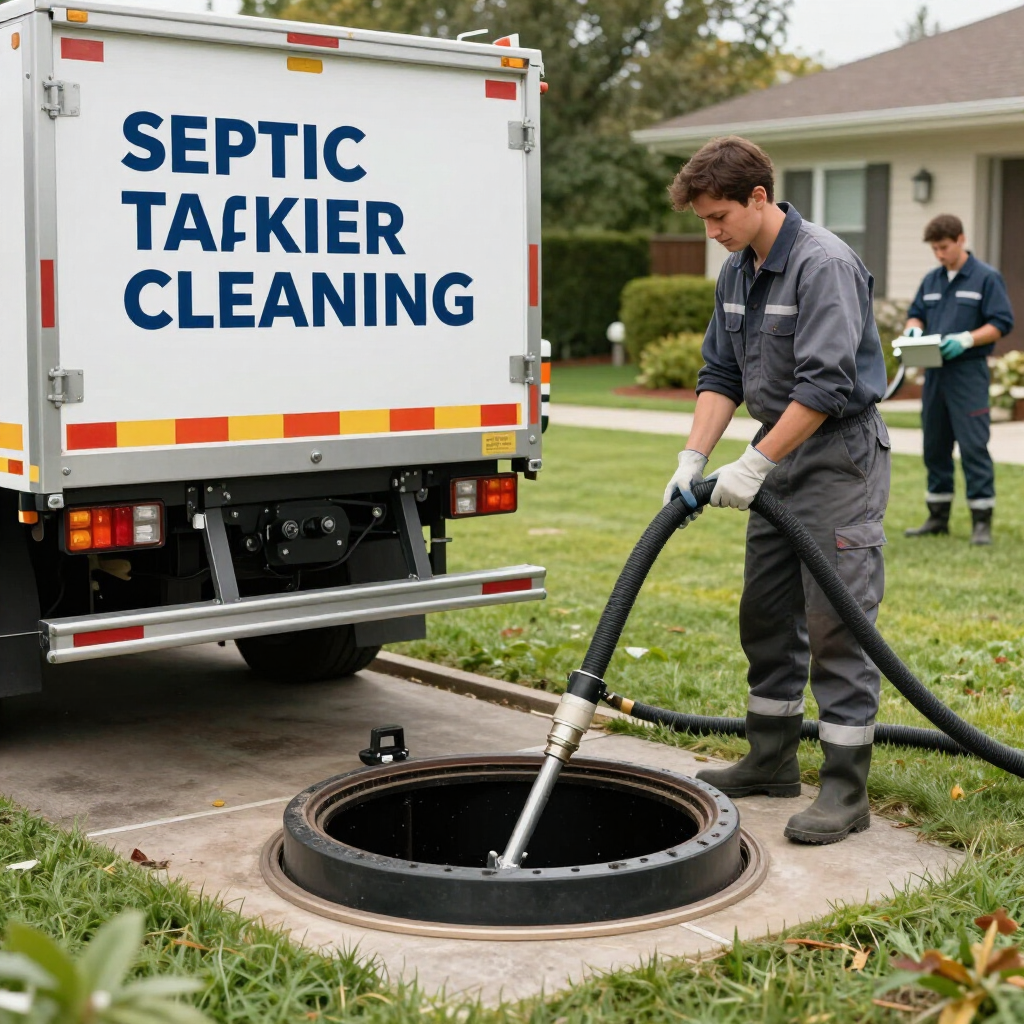
For many rural homeowners, a septic system is an essential part of keeping their household running smoothly. Unlike homes connected to municipal sewer systems, properties with septic tanks rely on regular maintenance to prevent backups, unpleasant odours, and costly repairs. Routine septic tank pumping Hamilton services help remove built-up solids, protect your septic system, and extend the lifespan of your tank and drainage system. With proper care and professional servicing, your septic system can continue operating efficiently for many years. At Dan Parr’s Waterproofing Sewer & Excavating, homeowners throughout Hamilton and surrounding areas can rely on experienced septic professionals for septic pumping, inspections, repairs, and maintenance services.
By Chelsey Smith June 2, 2026
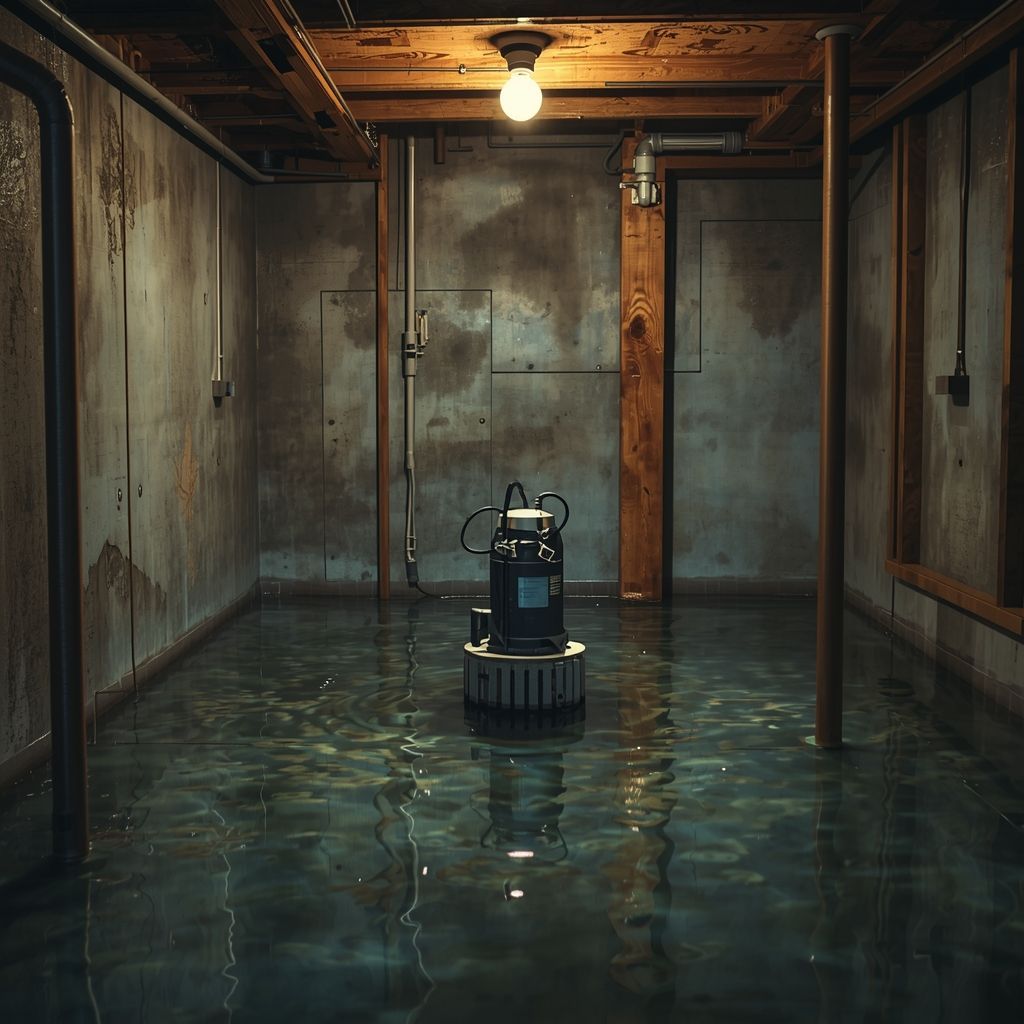
When people think about protecting their home from water damage, they often think of roofing, gutters, or even foundation repairs. But one of the hardest-working systems in your home is hidden out of sight—and most people don’t think about it until there’s a problem. That system is your sump pump. If you live in Hamilton or surrounding areas where spring melt, heavy rainfall, and groundwater can become an issue, understanding how a sump pump works can save you from expensive repairs and major headaches. Companies like Dan Parr’s Waterproofing Sewer & Excavating regularly help homeowners protect their basements and foundations with waterproofing and sump pump solutions.
By Chelsey Smith April 3, 2026
As winter fades and spring approaches in Southern Ontario, homeowners start thinking about melting snow, heavy rainfall, and rising groundwater levels. While the warmer weather is welcome, it can also bring increased risk of basement flooding. One of the most important tools for protecting your home during this time is your sump pump. Making sure it’s ready for spring can save you thousands of dollars in water damage repairs.  If you’re unsure whether your sump pump is in top condition, the team at Dan Parr Waterproofing in Hamilton can help. With years of experience protecting local homes from water damage, Dan Parr Waterproofing provides professional inspections, maintenance, and repairs. You can reach them at 905-719-8607 or visit danparr.ca to learn more about their waterproofing services.
By Chelsey Smith February 26, 2026
As winter fades and temperatures rise, spring thaw brings melting snow, saturated soil, and one big question for homeowners: Is your sump pump ready? Your sump pump is your basement’s first line of defense against flooding—especially during the heavy rains and snowmelt that come with spring. Taking time now to inspect and maintain your system can prevent costly water damage later. Here’s a complete guide to checking your sump pump system after the spring thaw.
By Chelsey Smith January 20, 2026
Your septic system is an essential part of your home, quietly managing wastewater day in and day out. Out of sight and out of mind is how most homeowners prefer it. But what happens when a critical component, the drain field, starts to fail? Ignoring the early warning signs can lead to costly repairs, property damage, and significant environmental concerns. Understanding the health of your drain field is key to maintaining a functional septic system. This guide will walk you through the five most common signs of drain field failure. We will explain why these symptoms occur and emphasize the importance of taking swift action.
By Chelsey Smith January 3, 2026
We insulate pipes, check our furnaces, and seal drafty windows. But there's one crucial piece of equipment often overlooked until it's too late: the sump pump. This unsung hero in your basement works tirelessly to prevent flooding. Preparing it for winter is essential to ensure it functions correctly when you need it most, even when temperatures plummet.  A frozen or malfunctioning sump pump can lead to a flooded basement, causing thousands of dollars in damage and significant stress. Taking a few proactive steps now can save you from a major headache later.
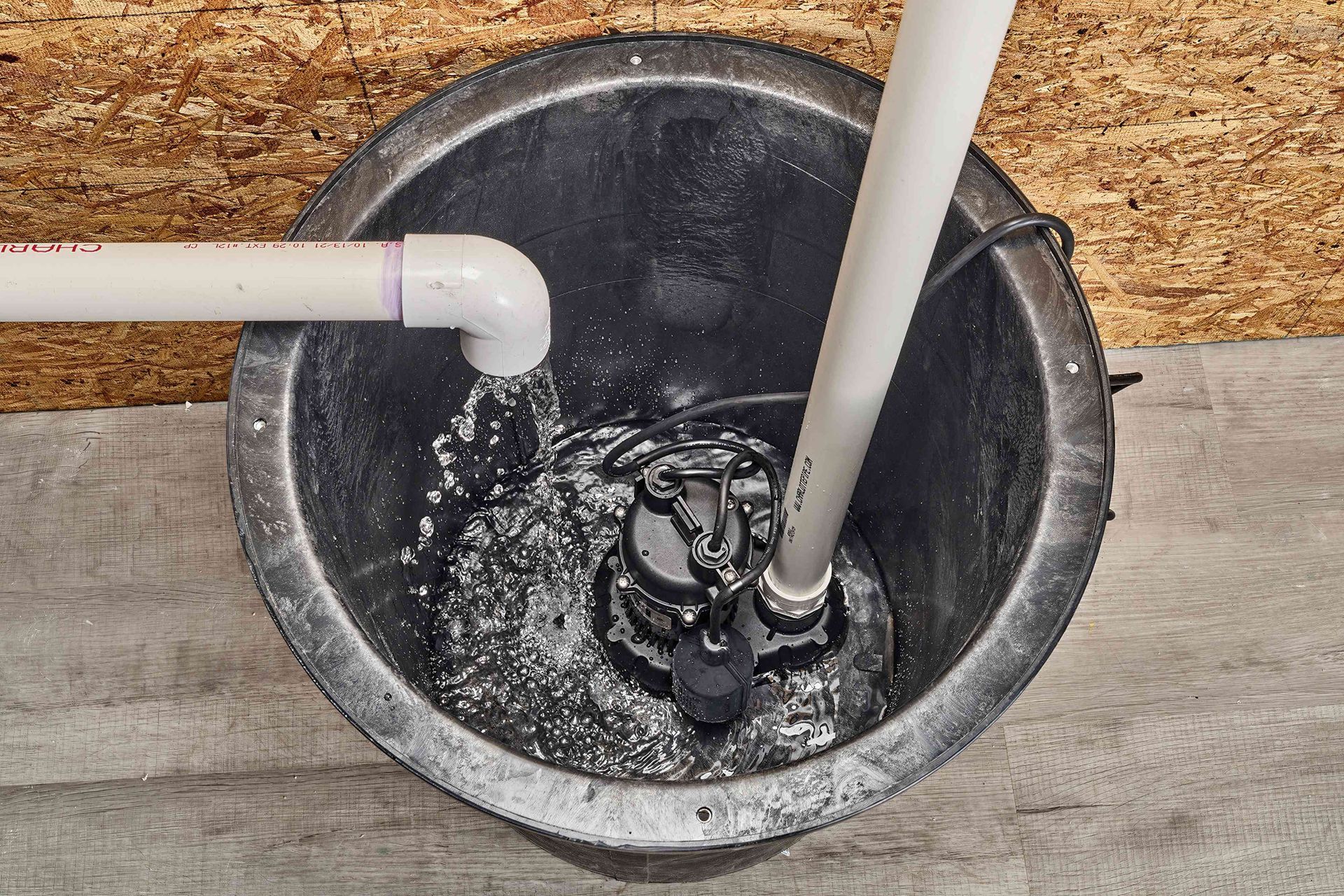
A sump pump system in a black basin with water, PVC pipes, and a pump.
By Sara DeSantis November 17, 2025
As the seasons change and colder weather approaches, homeowners begin preparing their properties for winter. You might check the furnace, insulate pipes, and seal drafty windows. However, one often overlooked component is the sump pump. This crucial device protects your basement from flooding, but it can fail if not properly prepared for freezing temperatures. A frozen sump pump can lead to significant water damage and expensive repairs. Taking a few preventative steps now can save you from a major headache later. This guide will walk you through the essential measures to winterize your sump pump, ensuring it remains operational when you need it most. We will cover inspection, hose management, insulation, and testing to keep your home safe and dry all winter long. 
White house covered in snow with black shutters and brick chimney. Snowy trees and a smaller house in the background.
By Sara DeSantis October 29, 2025
As the days get shorter and a chill settles in the air, homeowners across the region begin the familiar ritual of winterizing their properties. You insulate pipes, check the furnace, and seal drafty windows. But there's one critical part of your home that often gets overlooked until it's too late: your septic system. A frozen or failing septic system in the middle of winter can be a messy, expensive, and stressful ordeal. Taking a few preventative steps now can save you from a major headache later.
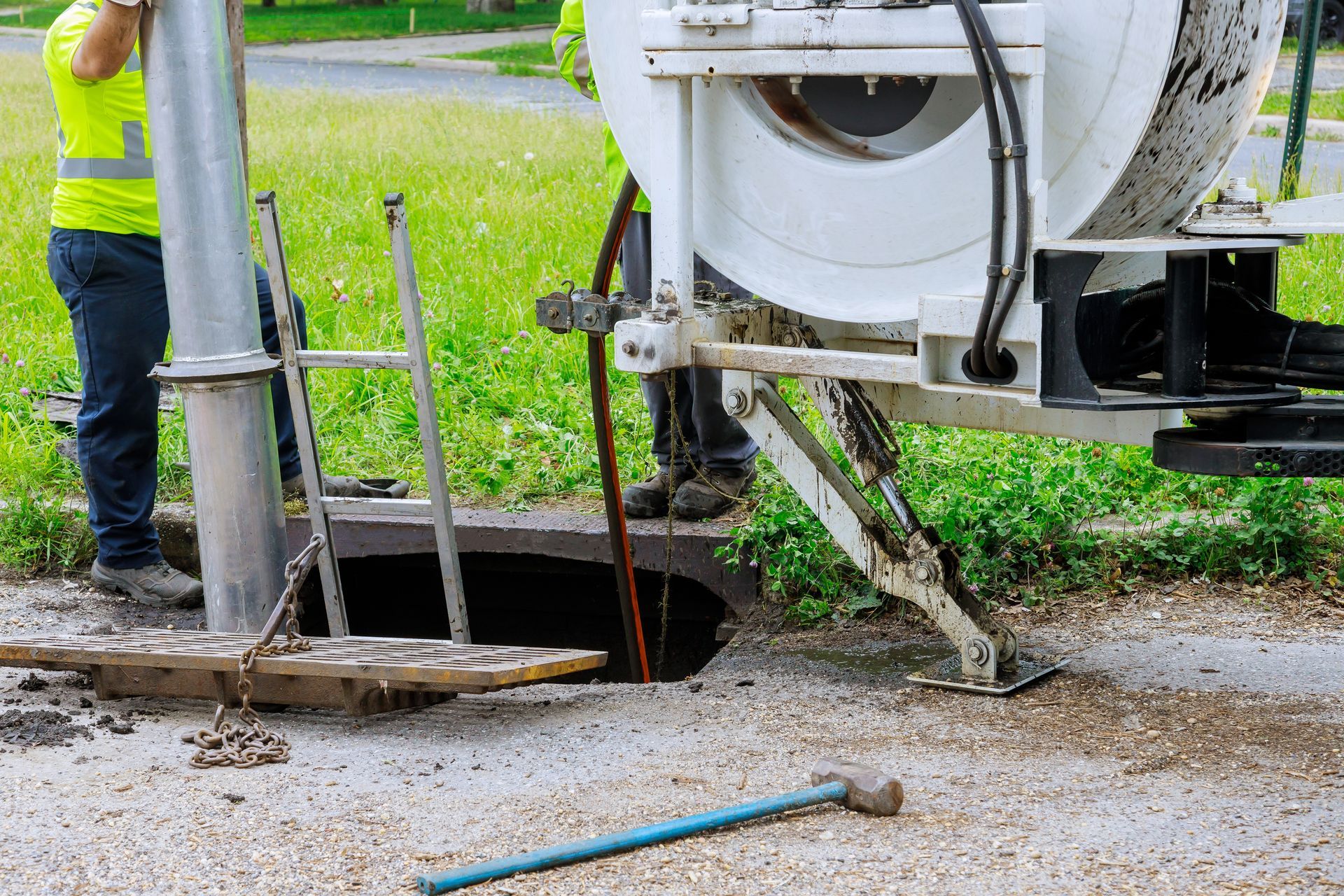
Workers with a large machine are cleaning a sewer drain in a street.
By Sara DeSantis September 22, 2025
Your septic system is one of the most important components of your home, yet it's often the most neglected. Since it works silently underground, it’s easy to adopt an "out of sight, out of mind" mentality. However, ignoring your septic tank can lead to disastrous and costly consequences, including foul odors, sewage backups, and complete system failure. Understanding and practicing regular maintenance is key to a healthy, long-lasting septic system. So, how often should you have your septic tank cleaned out? The answer isn't a simple one-size-fits-all. Several factors influence the ideal pumping schedule for your household. This guide will walk you through what you need to know to protect your property and your wallet, with expert insights from professionals like Dan Parr Septic Systems and Pumping.
By Sara DeSantis August 11, 2025
Water is one of our most valuable resources, yet it’s often taken for granted. With growing concerns around water scarcity and rising utility bills, homeowners are seeking practical solutions to manage water efficiently. One such solution is installing a cistern. But what exactly is a cistern, and why should you consider adding one to your home?